How to Monetize a Blog: The Honest Order to Do It In
How to monetize a blog in the order that actually works: affiliate links at low traffic, ads at mid traffic, sponsored posts once brands come calling, and your own products last, with honest numbers for each stage.
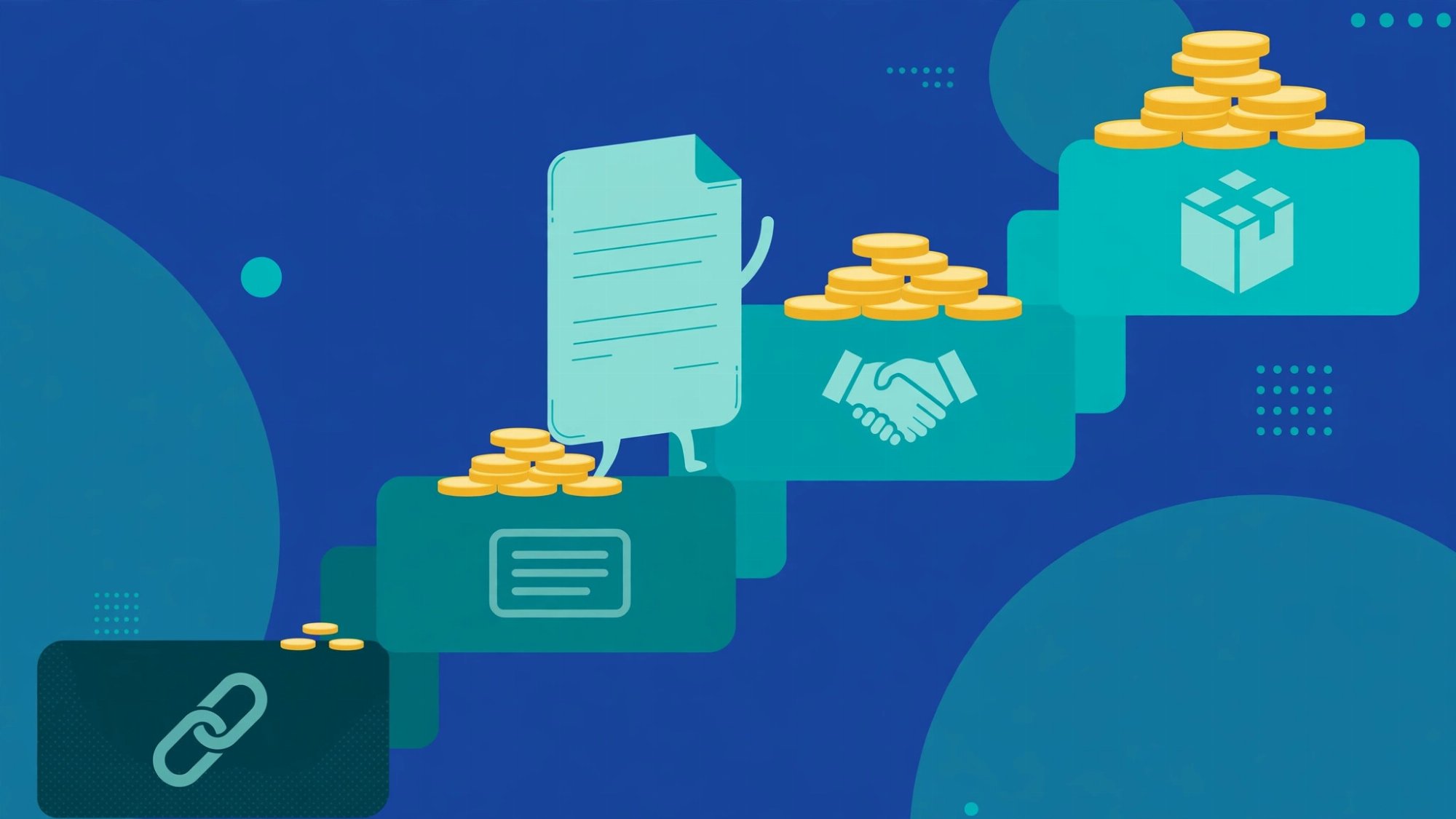
Start with a number most blogging advice skips: in its first year, a typical small blog earns somewhere between nothing and a few hundred dollars in total. Not per month. In total. That is not a reason to quit; it is the baseline every honest plan has to start from. The question of how to monetize a blog is rarely about finding a magic method. Almost every method works eventually. The real question is order, because each method only becomes realistic at a certain level of traffic, and chasing the wrong one too early is how bloggers burn out with nothing to show. This guide walks through the order that works: affiliate links first, display ads second, sponsored posts and paid placements third, and your own products and services last, with the traffic level and the honest numbers attached to each stage.
The order matters more than the methods
Here is the mistake in one sentence: a blogger with 2,000 monthly visits installs ads, earns 3 dollars, concludes the blog cannot make money, and quits, when in fact that same traffic aimed at one good affiliate article could have earned ten times more, and the same blog at 30,000 visits would have made the ads worthwhile. Methods do not fail. Timing fails.
The order below follows one principle: at each traffic stage, use the method that pays best per visitor at that stage. Early on, visitors are few but can be highly targeted, which suits affiliate income. In the middle, traffic is broad enough that ads stop being embarrassing. Later, your audience itself becomes the product sponsors want. At the end, your own offers pay better than everyone else's. Two ground rules before the stages: search traffic is what makes any of this compound, so read Google's SEO starter guide and Moz's beginner's guide to SEO before you worry about revenue tactics, and accept that how to monetize a blog is a two year conversation, not a two week one.
Stage one: how to monetize a blog with almost no traffic
Below roughly 5,000 visits a month, one method stands above the rest: affiliate links inside genuinely helpful content. The math is simple. Ads pay per thousand views, so tiny traffic means tiny money. Affiliate income pays per sale, and a reader who arrives from a search like "best budget espresso machine for small kitchens" is one click from buying. Twenty such readers can outearn two thousand casual ones.
How to do this stage properly, step by step:
List the products and tools you already use and honestly recommend in your niche. Your first affiliate content comes from experience you already have, which is why it reads better than anything researched from scratch.
Join the relevant affiliate programmes. Large retail programmes are easy to enter; smaller specialist programmes in your niche usually pay better rates and convert better.
Write comparison and problem solving articles around those products: best options for a specific person, a fix for a specific problem, an honest review with the flaws included.
Put the links where the recommendation happens, inside the text, and disclose the affiliate relationship clearly at the top of the article. Disclosure is both an ethical rule and, in many countries, a legal one.
Track clicks and sales per article. After three months, you will see that a small share of your articles produces most of the income. Write more like those.
Expectations for this stage, stated honestly: a focused small blog might earn 20 to 150 dollars a month here, and many earn less. The point of stage one is not the money. It is proof of which topics your audience will actually spend on, which tells you what to write next. In short, that is how to monetize a blog at the stage where every reader counts individually.

Stage two: ads once the traffic shows up
Display ads become sensible somewhere between 5,000 and 30,000 monthly visits, and genuinely worthwhile above that. The entry point for most bloggers is Google AdSense , which has no traffic minimum but pays modest rates and only pays out once your balance reaches 100 dollars, the threshold Google sets in its AdSense payment terms. That single fact explains a common beginner experience: the account shows earnings for months before any money arrives, because at low traffic the balance crawls toward 100 dollars very slowly.
As traffic grows, better ad networks open up, and their entry requirements tell you the real shape of this stage. Mediavine, the network many established bloggers aim for, has historically required 50,000 sessions in the previous 30 days for its main programme, a figure stated on its own application pages. Networks between AdSense and that level exist for the middle ground, each with its own minimums and revenue share. Check current terms on the day you apply, because thresholds change.
What ads realistically pay: earnings per thousand pageviews vary enormously by niche and audience country, from a few dollars in low value niches to 20 dollars or more in finance or business topics with mostly American readers. At 20,000 pageviews a month, that spread means somewhere between about 40 and 400 dollars a month. Anyone who gives you one precise figure for your blog without knowing your niche is guessing.
One discipline for this stage: ads tax your readers' patience and your site's speed. Add them when the income justifies it, keep the layout tolerable, and never let ad density make the content hard to read. A blog people stop visiting earns nothing from any method. None of this needs a huge audience, which is why ads sit second and not first in any sensible answer to how to monetize a blog.
Stage three: sponsored posts and paid placements
Once a blog has steady traffic and a defined niche, a second kind of buyer appears: brands and agencies who want to reach your readers directly. This is the stage where knowing how to monetize a blog stops being about networks and starts being about negotiation.
The income comes in three forms. Sponsored posts are articles a brand pays you to publish, written to their brief but in your voice. Guest post placements are the mirror image of the method described in our guide to how publishers monetize a website with guest posts : other writers and marketers pay for a post on your site because your audience and your search presence are worth reaching. Paid link placements, covered in our explainer on how people get paid to post links , are smaller and quicker: an existing article gains a relevant link for a fee.
Pricing is where beginners undercharge most. The full method is in our guide to how much to charge for a guest post , but the shape is simple: price follows your traffic, your niche and what is included, and a blog with a few thousand engaged monthly readers in a commercial niche can typically charge somewhere between 75 and 300 dollars for a sponsored post, with established sites charging far more. Set a floor price, publish your rules (you label sponsored content, you refuse anything your readers would hate), and keep a simple rate card ready so every enquiry gets the same professional answer.
The trust warning belongs here, not in a footnote: sponsored income is the stage most likely to damage a blog. Readers forgive ads. They do not forgive discovering that recommendations were secretly bought. Label everything, decline the off brand offers, and this stage can run for years. Our wider guide to website monetization for publishers goes deeper on balancing these income streams without wrecking the asset that produces them.
Stage four: your own products and services
The last stage pays the best per reader and asks the most of you. Your own offers: an ebook, a course, a template pack, a paid community, coaching, or a service related to your niche. The economics are why bloggers end up here. An affiliate sale might earn you 4 dollars. The same reader buying your 40 dollar template earns you nearly all of it.
The timing rule: build a product only after stages one to three have told you what your audience already pays for. The affiliate article that quietly earns every month is a product outline waiting to be written. The questions readers email you repeatedly are a course curriculum. Bloggers who build the product first, before any of that evidence exists, usually build the wrong one.
Services deserve a special mention because they break the traffic rule. A consultant, designer, writer or coach can monetize a tiny blog almost immediately, because one client is worth hundreds of affiliate sales. If you have a sellable skill, your blog's first job is not traffic volume; it is demonstrating expertise to the few dozen right readers. For such blogs, how to monetize a blog means writing the articles your future clients will find, and making the hire me page impossible to miss.
A worked example: one blog, month by month
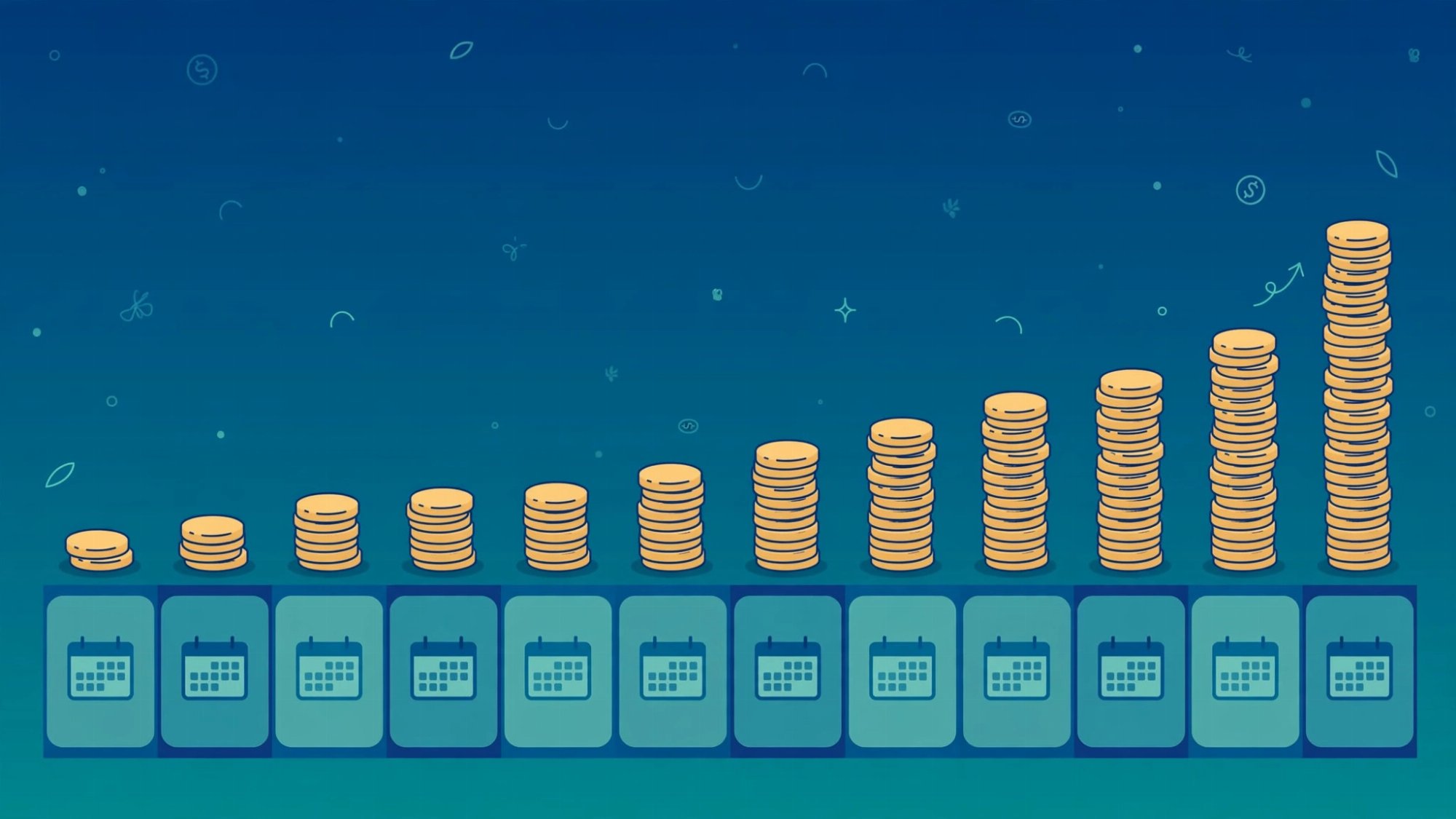
To make the stages concrete, here is an illustrative example with realistic ranges. Take a home cooking blog, written by one person, publishing two articles a week.
In months 1 to 6 it reaches about 3,000 visits a month. Affiliate links in six well aimed articles about equipment and ingredients earn 30 to 90 dollars a month. Ads are not installed yet, deliberately. Total income across the half year: a few hundred dollars, and a clear signal that the slow cooker and knife articles are the earners.
In months 7 to 12, traffic grows to about 15,000 visits a month as the earlier articles rank. She joins AdSense. Ads add 60 to 180 dollars a month at her niche's rates, affiliate income rises to 120 to 250 dollars a month, and the combined total passes 300 dollars in a good month. She also gets her first sponsored enquiry and turns it down, because the product is one she would never use.
In year two, at around 35,000 visits a month, the mix matures. Ads contribute 250 to 600 dollars a month, affiliates 300 to 500 dollars, and two sponsored posts a quarter at 200 to 350 dollars each add a further steady layer. She then spends six weeks building a 35 dollar meal planning template pack based on her most emailed questions. It sells modestly at first, a few hundred dollars a month, but it is hers, and it grows with every article she writes.
Add the ranges up and the honest summary is this: a well run niche blog can plausibly reach somewhere between 800 and 1,800 dollars a month by its second year. Many blogs earn far less, some earn far more, and the difference is mostly niche, consistency and the order the methods were added in. That timeline, unglamorous as it is, is how to monetize a blog in practice.
Step by step: a monetization plan for the next 90 days
Here is the plan in weekly pieces, the practical version of how to monetize a blog without trying everything at once:
Week 1: list your ten most visited articles. Note which ones involve products, tools or spending decisions. That is your affiliate shortlist.
Weeks 2 to 3: add honest affiliate recommendations and disclosures to those articles, and improve the two weakest with better structure and examples.
Week 4: write one new article aimed squarely at a buying question in your niche, using what your best article taught you.
Month 2: if traffic passes roughly 5,000 visits a month, apply for ads and place a conservative layout. Track earnings per thousand pageviews so you know your real rate.
Month 2, in parallel: write your sponsored post policy and rate card, even if no one has asked yet. Decide your floor price and your labelling rule now, while no money is pressuring the decision.
Month 3: list the three questions readers ask you most. Draft the outline of one small product or service offer that answers the biggest one.
End of day 90: review the numbers per method. Keep what pays, drop what does not, and set the next 90 days around the stage your traffic has actually reached, not the one you wish it had.
The honest limits of how to monetize a blog
End with the parts the income reports leave out. Time is the first cost: the example above assumes two decent articles a week for two years, which is roughly 200 articles and several hundred hours before the income looks respectable. Valued as a job, most blogs pay below minimum wage in year one. The honest defence is that the asset compounds: articles keep earning while you sleep, and the blog's value is the sum of all of them.
Platform risk is the second limit. Affiliate programmes cut rates and close accounts, ad networks change thresholds, and search engines update rankings. A blog dependent on one income stream can lose half its revenue to a decision made in someone else's office, which is exactly why the stages in this guide stack several streams instead of betting on one. That stacking, more than any single tactic, is the core of how to monetize a blog safely.
Third, some blogs should not be monetized hard. A personal blog whose value is trust, or a professional blog that exists to win clients, can lose more from aggressive ads and sponsored posts than those methods ever pay. Knowing how to monetize a blog includes knowing where your own blog's line is, and the line sits wherever your readers start doubting you.
Frequently asked questions
How long does it take to monetize a blog?
Affiliate income can start within the first few months if your early articles target buying questions, though the amounts are small. Meaningful income, the kind worth reporting, usually takes one to two years of consistent publishing. Any timeline promising serious money in 90 days is selling you something.
How much traffic do you need to monetize a blog?
You can earn your first affiliate dollars with almost no traffic, because one ready to buy reader is enough. Ads need volume to matter: below a few thousand visits a month they earn very little. Sponsored posts typically become realistic once you have steady traffic in the thousands and a niche a brand can name.
What is the most profitable way to monetize a blog?
The most profitable answer to how to monetize a blog depends on the measure you use. Per reader, your own products and services pay best, because you keep nearly the whole price. Per hour of effort at low traffic, affiliate content usually wins. Per unit of passivity at high traffic, ads win. The profitable answer depends on your stage, which is why this guide is an order and not a single recommendation.
Can a blog make money without ads?
Yes, and this is worth underlining in any honest account of how to monetize a blog: many profitable blogs run no display ads at all and rely on affiliate income, sponsored work, services or products. Ads are one layer in the stack, useful at volume, and entirely optional. Some blogs deliberately skip them to keep the reading experience clean and the page fast.
Why is my blog traffic growing but income is not?
Usually because the traffic is informational and the monetization is commercial, or the reverse. Readers researching a definition rarely buy anything that day. Check whether your most visited articles match any method in this guide. If your top articles answer buying or problem questions and still earn nothing, the offers or the links are the problem; if they are pure information, write the commercial companions alongside them.
Order guest posts on reviewed websites with honest metrics, or list your own site and get paid.
Join RankPublish