Dofollow vs Nofollow Backlinks: The Difference That Actually Matters
A clear comparison of dofollow and nofollow backlinks, the 2019 change that turned them into hints, and when to use sponsored and ugc instead.

Maya runs a bakery website. One morning she sees a food blogger linked to her sourdough guide, a customer left a link in a blog comment, and a coupon site listed her shop with a link she paid for. Three links, three different situations, and her first instinct is to ask which ones help her rank. That question is exactly where most people get stuck on dofollow vs nofollow backlinks, because the honest answer is not a simple scoreboard. The three links do different jobs, Google treats them differently, and one of them carries a compliance duty she cannot ignore. This guide sorts that out in plain words, starting with what each term means today, then the 2019 change that rewrote the rules, then the practical question of when to use each attribute on your own site.
What dofollow vs nofollow backlinks actually mean
A backlink is a link on another site that points to a page on your site. A dofollow backlink is the plain version: an ordinary link with no rel attribute at all. There is no such thing as rel="dofollow" in the HTML standard. A link is dofollow simply because nothing tells a search engine to treat it otherwise, so it can pass ranking credit from the linking page to the linked page, and crawlers can follow it to discover the linked page. A nofollow backlink carries rel="nofollow", an instruction the linking site adds to say it does not want to imply endorsement or pass ranking credit. The words matter here. Dofollow is the default state of a link. Nofollow is a label added on top. When people talk about dofollow vs nofollow backlinks, they are really talking about whether a link carries that label, and what Google does with the label now that the rules have changed.
The distinction grew out of a spam problem. In the early days of blogging, comment sections filled with links to gambling sites and loan sites that had nothing to do with the post. Site owners wanted a way to let readers leave a link without handing that link a vote of confidence. Google launched the nofollow attribute in 2005 to fight comment spam, and the idea spread to forums and anywhere a stranger could add a link. For fourteen years, nofollow worked as a directive: Google ignored the link entirely for ranking. That simple picture is the one many guides still teach, and it is out of date.
The 2019 change that rewrote the rules

On 10 September 2019, Google published a post on the Google Search Central blog called "Evolving 'nofollow'", and the change it announced is the spine of any honest discussion of dofollow vs nofollow backlinks today. Google added two new attributes. The first is rel="sponsored", for links that are part of an advertisement, sponsorship or other paid arrangement. The second is rel="ugc", for links inside user generated content, such as blog comments and forum posts. From that day, Google said it would treat all three attributes, nofollow, sponsored and ugc, as hints for ranking purposes, not as directives. A hint means Google may choose to use the link as a signal, or may choose not to. The old certainty, that a nofollow link was ignored entirely, was gone.
The change arrived in two stages. For ranking, the hint treatment began on the day of the announcement, 10 September 2019. For crawling and indexing, the change took effect later, on 1 March 2020. From that date, Google said it would treat nofollow as a hint for crawling and indexing as well, which means a nofollow link can help Google discover a page it had not found before. That matters for new sites and new pages. Google said at the time that it did not expect significant changes to search results, and that is worth remembering when anyone promises you a ranking jump from a particular mix of link types. Before 2019, every link a site did not want to endorse got the same label. After 2019, each situation has its own label, and multiple attributes can combine on one link, for example rel="ugc sponsored" on a link that is both user generated and paid.
Dofollow vs nofollow backlinks in a side by side comparison
The clearest way to hold the comparison in your head is to look at what each kind of link does in the four areas that matter: ranking credit, crawling, traffic and trust. A plain editorial link, a dofollow link, is the only kind that is built to pass ranking credit. When a writer chooses to link to your page because the content is useful, and adds no rel attribute, that link can count as a vote of confidence. It can also be followed by crawlers, so it helps Google find the page, and it can send visitors who click it. That is the full package, and it is why editorial links are the ones people work hardest to earn.
A nofollow link, by design, passes no direct ranking credit. Since 2019 it is a hint rather than a directive, so Google may use it in ranking analysis, may count it in some way, or may ignore it, and Google does not publish which outcome applies to any given link. What is certain is that a nofollow link still sends real visitors, and since 1 March 2020 it can help crawlers discover a page. It is a link with a different job, traffic and discovery rather than direct ranking credit. A sponsored link, rel="sponsored", is the correct label for any link you paid for, including an affiliate link. It tells Google the link exists because money changed hands, and it is a compliance duty, not an SEO choice. A ugc link, rel="ugc", is the correct label for a link a reader added, in a comment or a forum post. WordPress adds rel="ugc nofollow" to comment links automatically. All three attributes are hints, not direct ranking factors. The honest summary of dofollow vs nofollow backlinks is this: only plain editorial links are designed to pass ranking credit, while labelled links exist to describe the relationship honestly and still bring people to your page.
When to use sponsored, ugc and nofollow on your own site
The practical rules for dofollow vs nofollow backlinks are simpler than the theory, and they start with one question: why does this link exist? If you paid for it, or you received a free product or a fee in exchange for it, mark it rel="sponsored". That includes affiliate links, paid reviews, sponsored posts and any link inside content you were paid to publish. Google's spam policies treat an unmarked paid link as link spam. A paid link marked as dofollow is a policy problem, and fixing it later costs more time than marking it correctly at the start. Marking it sponsored does not make the link useless. It still sends visitors, and those visitors can still become customers.
If a reader added the link, mark it rel="ugc". Blog comments and forum posts are the classic cases. You did not write the link, you did not choose the destination, and you should not be treated as endorsing it. WordPress handles this for comments by adding rel="ugc nofollow" automatically, and you should leave that default alone. Use plain rel="nofollow" only where neither sponsored nor ugc fits, and you still do not want to imply endorsement or pass credit. After 2019 it is best used as a last resort rather than a first choice, because sponsored and ugc say something more specific. That is the practical heart of dofollow vs nofollow backlinks: editorial links you genuinely recommend stay plain, paid links get sponsored, reader links get ugc, and anything you do not want to vouch for gets nofollow.
How Google treats each attribute today
The single most misunderstood fact about dofollow vs nofollow backlinks is that Google may count a nofollow link anyway. Before 2019, nofollow was a directive, and Google ignored the link entirely. After the 2019 change, all three attributes are hints. Google may count a nofollow link as credit, may use it in spam analysis, or may use it for other ranking purposes. Google has said this openly, and it is why no audit can promise that a particular nofollow link passes zero value. The hint system gives Google room to use a link when its own systems judge the link useful, for example when a nofollow link comes from a trusted page and looks editorial in every way except the label.
That does not mean nofollow links now pass credit as a rule. The design intent has not changed: a nofollow link is a link the owner does not want to endorse, and Google respects that signal most of the time. What changed is the guarantee. A dofollow link is not guaranteed to pass credit either, because Google judges the linking page, the relevance of the link and the pattern of links around it. A dofollow link from a page Google considers spammy may pass nothing, while a nofollow link from a strong editorial page may be used in some way. Two practical consequences follow for dofollow vs nofollow backlinks. First, chasing nofollow links is not pointless, because they bring traffic and can help crawlers discover a page. Second, buying dofollow links is not a shortcut, because Google's spam policies treat paid links that pass ranking credit as link spam. For a fuller picture of the plain editorial link itself, see the guide to dofollow backlinks, which covers what makes one valuable.
A worked example: auditing one page of outgoing links
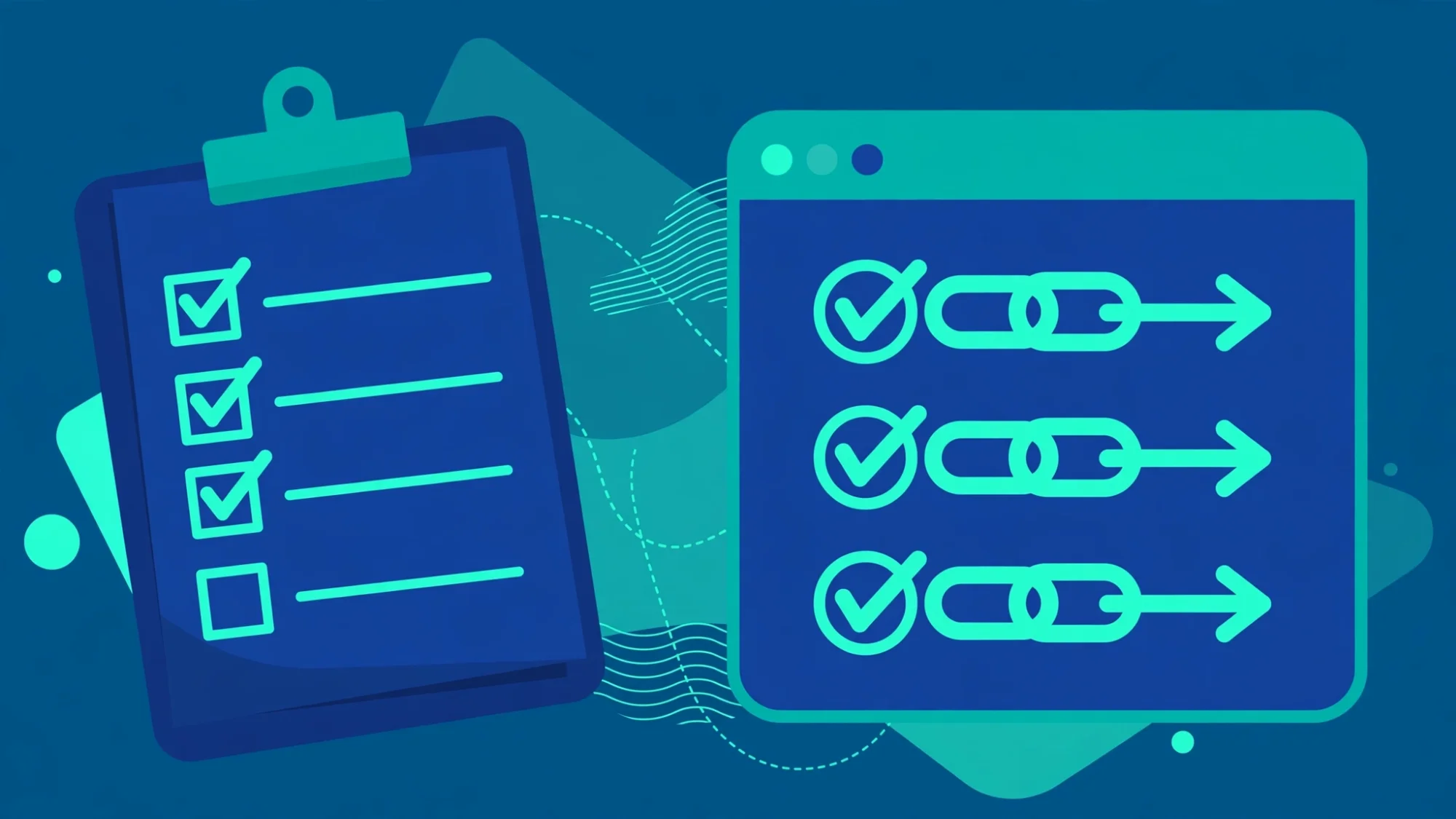
The ideas above get much clearer with a concrete count, so here is an illustration, not a measurement from a real site. Imagine a small site owner audits one page and finds 10 outgoing links. Six are plain editorial links with no rel attribute, the default dofollow state. Two sit in blog comments and carry rel="ugc nofollow". One is an affiliate link carrying rel="sponsored". One sits in a forum post and carries rel="ugc". The owner now has a clear picture. The 6 editorial links are the only ones that can pass ranking credit, because they are the only ones with no label telling Google otherwise. The affiliate link marked sponsored is the only honest marking for a paid link, and changing it to dofollow would turn a clean affiliate arrangement into a spam policy problem. The comment and forum links still send real visitors, and since 1 March 2020 they can also help crawlers discover the pages they point to.
A second illustration looks at the same question from the receiving side. A page earns 100 backlinks over a year, 70 dofollow and 30 nofollow. The 30 nofollow links are the traffic and discovery layer: they bring visitors and can help crawlers find the page. Only the 70 dofollow links can count toward ranking, and only if Google judges them editorial, relevant and trustworthy. A page with 70 dofollow links from thin, irrelevant pages can still struggle, while a page with far fewer dofollow links from strong, relevant pages can rank well. The count alone tells you little. The pattern tells you more, and the pattern is what the audit in the next section teaches you to read. That is the lesson to carry from dofollow vs nofollow backlinks: judge the pattern, not the percentage.
The traffic layer most people ignore
A common mistake in dofollow vs nofollow backlinks thinking is to treat a nofollow link as a failed link. A link in a popular blog comment, a forum thread or a social profile can send a steady stream of interested visitors. Those visitors read, subscribe, share and sometimes link back from their own sites with a plain editorial link. That chain, a nofollow link leading to a dofollow link, is one of the most ordinary ways a new page earns its first editorial links.
Social media links are the clearest example. Most social platforms mark outgoing links as nofollow, so a link from a post does not pass direct ranking credit. Yet a post that reaches the right audience can send hundreds of visitors in a day, and a share by the right person can put a page in front of a blogger who then links to it editorially. The value is indirect, and indirect value is still value. The same logic applies to Wikipedia and Quora, where links are marked so they do not pass credit, but where a well placed reference can send curious readers for years. If you want the detail on one of those, read how to get backlinks from Wikipedia, and for the question and answer route, how to get backlinks from Quora. There is no published answer to the question of how many of each type you need, and any guide that gives you one is inventing it. Google has never published a safe dofollow to nofollow ratio. What you can judge is the quality of the pattern, not the percentage. A healthy profile has links from different kinds of sites, with different anchor text, pointing to different pages on your site, earned over time rather than appearing in a single burst. If you are wondering how many links a page needs in total, the guide to how many backlinks do I need works through the competition question in detail.
Common mistakes and a one afternoon audit
The first mistake with dofollow vs nofollow backlinks is marking every outgoing link as nofollow out of fear. Some site owners add nofollow to every link they publish, including links to sources they genuinely recommend, because they worry that linking out will leak ranking credit. That fear is misplaced. Linking to a good source is a sign of a useful page. Reserve the label for links you genuinely do not want to endorse. The second mistake is the opposite: leaving a paid link unmarked. An affiliate link, a sponsored mention or a link inside paid content must carry rel="sponsored". Leaving it plain is a spam policy problem, not a clever optimisation. The third mistake is buying links and asking the seller to mark them dofollow. A bought link is a bought link, whatever label it carries. The fourth mistake is ignoring nofollow links entirely in an audit. A page with many nofollow links and few dofollow links may still be widely read, and the nofollow links may be the reason its first editorial links arrive.
You do not need a paid tool to run a useful audit. Start with one page, the page that matters most to you, and list every link pointing to it. A free backlink checker or the links report in Google Search Console will give you the list. For each linking page, open it and look at the link itself. Is there a rel attribute? If there is none, it is dofollow by default. If it says nofollow, sponsored, ugc or a combination such as ugc nofollow, note the exact label. Do not guess from the site type alone. Next, sort the list into four groups: plain editorial, nofollow, sponsored and ugc. Are there paid links you forgot to mark sponsored? Fix those first, because they are the compliance risk, and the fix is a one line change to the rel attribute. Then look at the balance. If every link is nofollow, the page may need more editorial coverage. Finally, check the traffic. A nofollow link that sends visitors every week is doing its job. Repeat the audit for your five most important pages, and keep the sheet.
Honest limits: what the labels cannot do for you
The limits deserve a plain statement, because the labels are often sold as a lever they are not. Since September 2019, all three attributes are hints, not directives, so Google may count a nofollow link anyway or ignore a dofollow one, and that uncertainty sits at the centre of dofollow vs nofollow backlinks. A nofollow link passes no direct ranking credit by design, but it still brings traffic and discovery. Marking a paid link as dofollow is link spam under Google's policy, so sponsored is a compliance duty, not an SEO choice. There is no safe dofollow to nofollow ratio published by Google, so never trust a guide that invents one. The attributes describe a link honestly. They do not make a thin page rank, and they cannot replace the work of publishing something worth linking to.
Frequently Asked Questions
What is the difference between dofollow and nofollow backlinks?
A dofollow backlink is a plain link with no rel attribute, so it can pass ranking credit and be followed by crawlers. A nofollow backlink carries rel="nofollow", which tells Google the linking site does not want to imply endorsement or pass ranking credit. Since 2019, nofollow is a hint rather than a directive, so Google may use it in some way, but by design it passes no direct ranking credit. That is the core of dofollow vs nofollow backlinks.
Do nofollow backlinks help SEO?
They help indirectly, not directly. A nofollow link passes no direct ranking credit by design, but it can send real visitors, it can help crawlers discover a page since 1 March 2020, and Google may use it as a hint in ranking analysis. A nofollow link from a popular page can also lead to editorial dofollow links when a reader writes about the page. That indirect help is easy to miss in dofollow vs nofollow backlinks debates.
When should I use rel="sponsored"?
Use rel="sponsored" for any link that exists because money, a free product or another benefit changed hands. That includes affiliate links, paid reviews, sponsored posts and links inside content you were paid to publish. Marking a paid link as dofollow is link spam under Google's spam policies, so sponsored is a compliance duty.
When should I use rel="ugc"?
Use rel="ugc" for links a reader added, such as blog comments and forum posts. You did not choose the destination and you should not be treated as endorsing it. WordPress adds rel="ugc nofollow" to comment links automatically, and that default is sensible. If a link is both user generated and paid, combine the attributes, for example rel="ugc sponsored".
Can a link have more than one rel attribute?
Yes. Multiple attributes can combine on one link, for example rel="ugc sponsored" for a link that is both user generated and paid, or rel="ugc nofollow" for a comment link, which is the default WordPress adds. Google reads them together as hints, and the combination should match the real situation behind the link.
Are social media links dofollow or nofollow?
Most social media links are nofollow, which means they pass no direct ranking credit. That does not make them useless. A social post can send a large number of visitors in a short time, and a share by the right person can lead to an editorial link from a site that does pass credit. Treat social links as a traffic and discovery channel.
Order guest posts on reviewed websites with honest metrics, or list your own site and get paid.
Join RankPublish