How to Get Backlinks From Wikipedia (Without Getting Reverted)
A Wikipedia link will not pass ranking power, and an edit that exists only to promote your site will be reverted within minutes. This guide shows the one route that lasts: publish a source editors actually need, then add it in the right place, with full disclosure.
Here is the myth, stated plainly so we can correct it at the start. A link from Wikipedia is supposed to be the ultimate SEO shortcut, a single vote from a trusted domain that lifts your rankings overnight. It is not. Every external link on Wikipedia has carried the nofollow attribute since January 2007, so it passes no direct ranking power. Editors watch for self serving edits, and a link added only to promote a site is usually reverted within minutes. If your plan is to drop your homepage link into a popular article and wait for rankings to rise, stop now: that plan fails, and it can also get your account blocked and your domain blacklisted.
The Honest Answer First: What a Wikipedia Backlink Really Is
A Wikipedia backlink is an external link from a Wikipedia article to a page outside Wikipedia. It usually appears as a citation supporting a specific claim, in the External links section near the bottom of an article, or in Further reading. A citation is the strongest of the three, because it sits beside a claim a reader is already reading, and the hardest to earn, because the claim has to need your source.
Every one of these links carries rel="nofollow". Google confirmed in 2019 that it treats nofollow as a hint, so it may use such a link for crawling, but it does not treat it as a straightforward vote of confidence. Search Engine Journal reported in January 2007 that all outbound links from English Wikipedia were switched to nofollow with no exceptions, at the direction of co founder Jimmy Wales, specifically to cut off the SEO incentive for spam. Anyone selling you a Wikipedia backlink as a ranking shortcut is selling you something Wikipedia itself removed in 2007.
That does not make the link worthless. A Wikipedia backlink can send referral traffic, and it can put your page in front of writers who need a source to cite, which is how one citation turns into several followed links elsewhere.
How to Get Backlinks From Wikipedia: What the Numbers Say
Wikipedia's own statistics page, Wikipedia:Size of Wikipedia, recorded 7,246,791 articles in the English Wikipedia as of 2 October 2026, containing over 5.29 billion words, with about 500 new articles added every day. By November 2026 the count had passed 7.26 million. The English edition receives an average of more than 2 edits and more than 4,500 page views every second, according to Wikipedia:Statistics.
Research on Wikipedia vandalism, including the widely cited work by Adler and colleagues, estimates that about 7 percent of all edits are vandalism, and an earlier analysis by Buriol and colleagues found that about 6 percent of all edits are reverts. Community analysis puts the median time to revert vandalism at about 5 minutes. Automated tools such as ClueBot NG scan recent changes continuously, so a promotional edit on a watched article is usually gone within minutes.
English Wikipedia passed 7 million articles on 28 May 2025 and adds roughly 500 a day, so new articles constantly need sources. The easiest opening is rarely a famous article with a dozen watchers. It is a newer article where a claim is missing a source and your page fills the gap.
The Three Places Your Link Can Appear
A citation is a reference that supports a specific statement in the article text. It appears as a small numbered link beside the sentence, and the full reference appears in the References section. Citations are the most valuable placement, because they sit where the reader's attention already is, and they are judged on whether the source supports the claim. To earn one, your page must contain the fact or figure the sentence needs, and it must be a better source for that claim than what is already there. A citation to your homepage fails every time, because a homepage supports no specific claim.
The External links section sits near the end of an article, after the references. Wikipedia's external links guideline says it should hold only a small number of links to pages that give readers useful detail the article itself does not cover. Editors remove links here aggressively when the page adds nothing new, duplicates a citation, or is clearly commercial. A link here works when your page is a genuinely useful resource, such as a free tool, a dataset, or a detailed guide the article only summarises.
Further reading lists books and long articles for readers who want to go deeper, and your page belongs here only if it is a substantial, authoritative treatment of the whole topic. Most site owners should not aim for this section at all. Aim for a citation first, and an External links entry only when the page is a real resource.
What Counts as a Citable Source, and What Never Does
Wikipedia judges sources by three tests, and your page has to pass all three. The first is reliability: the source should have a reputation for accuracy and editorial control, which usually means a recognised publisher, a university, a government body, a peer reviewed journal, or a well established news outlet. Your own site can qualify, but only if the page shows real editorial standards, a named author, a date, and sources of its own.
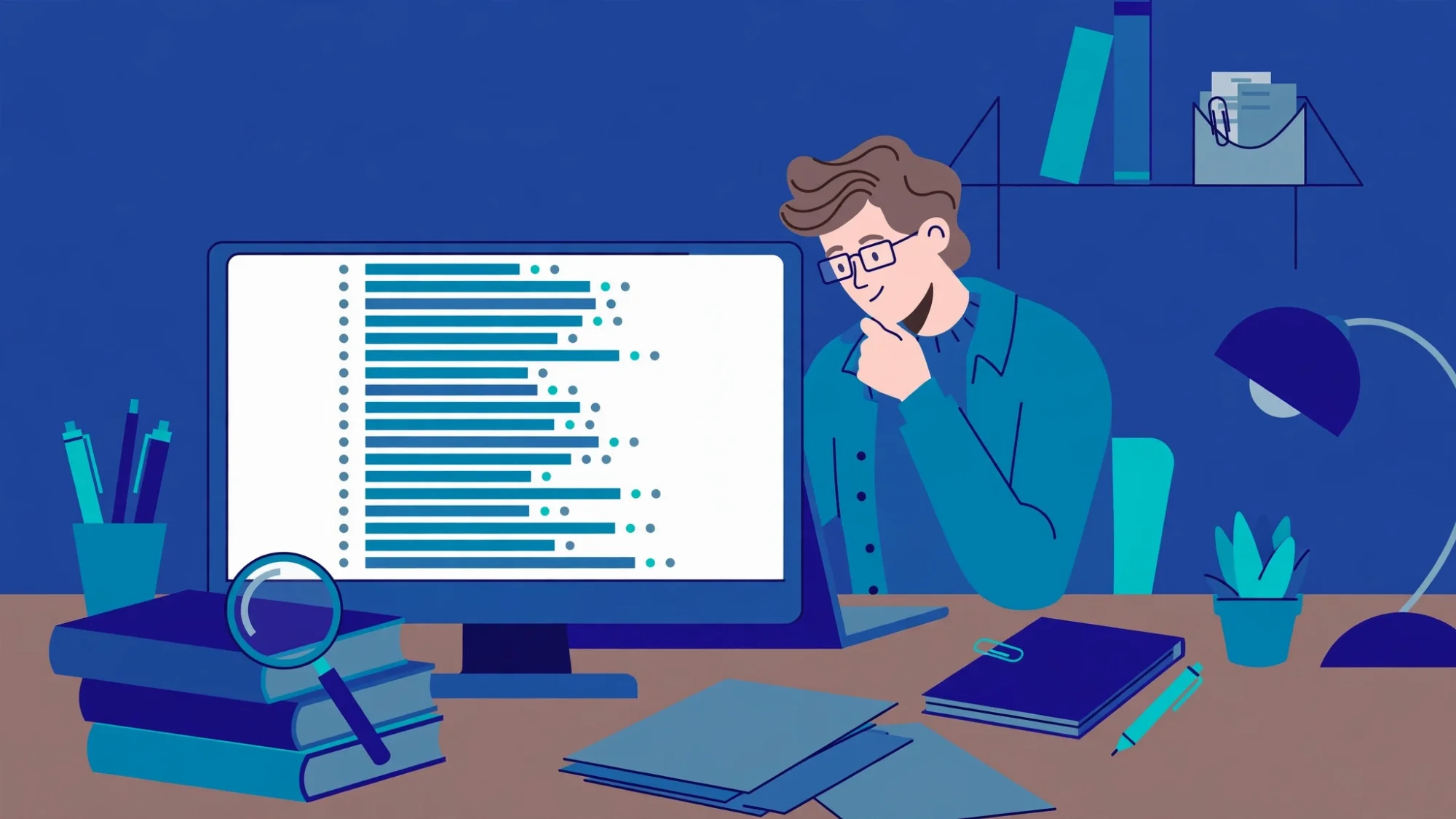
The second test is independence. This is where most site owners fail, because the page they want to cite is their own page, about their own product or company. Wikipedia's conflict of interest guideline is explicit: if you, your employer, or your client would benefit from the link, you should not add it yourself. Suggest it on the talk page and let an uninvolved editor decide.
The third test is verifiability. A reader should be able to open your page and check the claim it supports, so your page must actually contain the fact, with its own sources where needed. A page behind a paywall, or one that makes a claim without showing where it came from, will be challenged.
Some pages almost never survive as citations. A sales page, a pricing page, and a landing page built to convert visitors are advertisements, and editors remove them on sight. A thin post that restates what ten other sites already say adds nothing. If your page falls into any of these groups, the fix is a better page, not a cleverer edit.
How to Get Backlinks From Wikipedia, Step by Step
The editing itself is the shortest part of the work. Most of the effort goes into building a page worth citing.
Step 1, pick a topic where you can genuinely add something. Look for Wikipedia articles on subjects you know well that are thin, outdated, or missing a citation, and search for articles carrying a "citation needed" tag. Make a shortlist of five to ten such articles, and note the exact sentence for each one.
Step 2, build or improve the source page on your own site. This is the step most people skip, and skipping it is why their edits get reverted. Your page must contain the fact or figure that the Wikipedia sentence needs, with its own named sources, the author name, and the publication date. If the page already exists, strengthen it first and remove any sales language.
Step 3, create a Wikipedia account and learn the interface before you edit anything. Spend a few days making small, useful edits that have nothing to do with your site: fix a typo, correct a date, add a citation to a source you have no connection with. Editors notice when a brand new account's first act is to add its own link.
Step 4, check the article's history and talk page. Click View history: if the article is edited often, or recent edits have been reverted, the page is closely watched. If editors have already rejected a similar source, do not repeat the attempt.
Step 5, add the citation in the right place, with a clear edit summary. Find the sentence your source supports, and add a citation with the title, author, date, and publisher, not a bare URL. In the edit summary, write one honest sentence, such as "Added citation to a study on X, source is a guide on my site, happy for review."
Step 6, if you have a conflict of interest, do not add the link yourself. Go to the article's talk page, state your connection in the first line, quote the sentence your source supports, and ask an uninvolved editor to review it. This route is slower, but a link added this way is far more likely to survive, because an independent editor chose to add it.
Step 7, watch the page and check the result after a few days. If the edit stays for a week, it has passed its first test. If it is reverted, read the edit summary the reverting editor left, and do not simply add the link again: re-adding a reverted link is edit warring, and it is one of the fastest ways to get an account blocked.
A Worked Example: One Wikipedia Backlink and What It Returned
Take a realistic case, labelled as an illustration, not a promise. A small site publishes a detailed, original guide to link building for a new website, with real figures and named sources. The owner finds a Wikipedia article with a "citation needed" tag beside a sentence about how new sites earn their first links, and the guide contains the exact point the sentence makes, so the owner suggests the link on the talk page, disclosing that it is their own site.
Put concrete figures on the effort and return. Building the guide took about 12 hours, finding the article took about 45 minutes, and writing the talk page suggestion took about 20 minutes. Waiting for a reply took 9 days, and an uninvolved editor then added the citation. In the 30 days after it went live, the page received 86 referral visits from Wikipedia, and 3 of those visitors linked to the guide from their own blogs, creating 3 followed links. The Wikipedia backlink itself passed no ranking power, because it is nofollow, and the site's rankings did not move in that month.
Change one variable and the picture changes. If the owner had added the link directly, without disclosure, the likely outcome is a revert within minutes and a warning. If the guide had been a thin sales page, the suggestion would most likely have gone unanswered.
How to Check Whether Your Wikipedia Backlink Survived
A link you do not check is a link you cannot learn from. Confirm three things, and record them in a simple log.
First, open the article and confirm the citation is still there. Click the reference number and confirm it leads to your page, and check the article history for any revert. A revert with a clear reason, such as "source is not independent", tells you what to fix before you try again elsewhere.
Second, check the traffic. In your analytics, look at referrals from en.wikipedia.org over the 30 days after the edit. Wikipedia traffic is usually small in volume and high in quality, because the reader arrived from a reference, so judge it on whether those visitors read or link, not on the raw count.
Third, check whether the citation led to other links. Search for your page's URL and your brand name a month later, and look for new links that appeared after the citation. A single citation that brings three followed links has done more for your rankings than the Wikipedia backlink itself ever could. Keep a log with four columns: the article, the date, the outcome, and the referral visits after 30 days.
What Gets Edits Reverted and Accounts Blocked
This section matters more than the steps above, because the penalties are real and hard to reverse. Adding your own link without disclosure is the most common cause of a revert: the conflict of interest guideline treats editing about yourself, your company, or your client as a conflict, and editors revert such edits even when the source is decent. Adding the same link to many articles looks like a campaign. Using several accounts, or paying someone to add it quietly, is sockpuppetry and undisclosed paid editing, and both can lead to a block and a blacklist of the domain. Once a domain is on the spam blacklist, no editor can link to it at all.
Edit warring is the second trap. If your edit is reverted, adding it again without discussion can lead to a block even when you believe you are right. The correct response is a talk page discussion, not a second edit, and a calm, evidence based discussion sometimes changes the outcome.
The cost in time is the third limit, and it is the one sellers of Wikipedia links never mention. A good source page takes hours to write, and a talk page suggestion can wait days or weeks for a reply. A realistic pace is one or two serious attempts a month, not ten links a week. Anyone offering you ten Wikipedia backlinks in a week is either adding links that will be reverted within days, or using methods that put your domain at risk.
Finally, remember what a Wikipedia backlink cannot do. It cannot pass ranking power, because it is nofollow. It cannot make a weak page strong, because editors judge the page, not the pitch. If your site has no other link building, start with the basics first: learn what link building actually is, earn links from sites in your own niche, and build pages worth citing.
Where Wikipedia Backlinks Fit in a Wider Link Plan
Wikipedia belongs in a link plan as a small, long term item, not as a campaign, and it will never replace high authority backlinks earned from news sites, universities, and industry publications. If you are weighing whether the effort is worth it at all, read our honest answer to the question do backlinks still matter in 2026. A guide to how to get backlinks without paying for every one covers the broader set of free methods, and Wikipedia sits at the careful end of that set: slow, strict, and durable when it works. For a new site, the first 90 days are better spent on the foundations in our guide to link building for a new website.
Pair a Wikipedia attempt with content that earns links on its own. A linkable asset, a dataset, or an original study gives editors a reason to cite you and gives other sites a reason to link to you without Wikipedia at all. Digital PR link building works the same way: a story journalists want to cover creates links from news sites that Wikipedia editors then treat as reliable sources.
Set a simple rule for yourself. Attempt a citation only when you can answer yes to three questions. Does my page contain a fact that a specific Wikipedia sentence needs? Is my page the best freely available source for that fact? Would I suggest this source if it belonged to someone else? If any answer is no, improve the page first. That rule is the whole method for how to get backlinks from Wikipedia in one paragraph: a page worth citing, a sentence that needs it, and an honest disclosure.
Frequently Asked Questions
How do I get backlinks from Wikipedia?
You earn them by publishing a page that a Wikipedia article genuinely needs as a source, then adding it as a citation to a specific claim, or suggesting it on the talk page if you have a conflict of interest. Find an article with a "citation needed" tag, add a proper citation, and let an editor review it. There is no shortcut: the page must be useful and verifiable.
Are Wikipedia backlinks dofollow or nofollow?
They are nofollow. Every external link on Wikipedia has carried the nofollow attribute since January 2007, so it passes no direct ranking power. Google has said since 2019 that it treats nofollow as a hint, which means it may use the link for crawling, but not as a straightforward vote. Their value is referral traffic, discovery, and the followed links other writers create after finding you there.
Can I add a link to my own website on Wikipedia?
You can suggest it, but you should not add it yourself. Wikipedia's conflict of interest guideline applies when you, your employer, or your client would benefit from the link. Disclose your connection on the talk page and ask an uninvolved editor to decide. Adding your own link without disclosure is the fastest way to get the edit reverted.
Why was my Wikipedia edit reverted?
The most common reasons are a conflict of interest, a source that is not reliable or independent, a link that adds nothing, or a link placed in the wrong section. Read the edit summary left by the editor who reverted you: it usually names the reason. Do not add the link again without discussion.
How long does a Wikipedia backlink last?
A good citation on a stable article can last for years. A promotional link on a watched article may last minutes. Survival depends on the quality of the source and whether it was added transparently. Check the article a week after your edit, and again after a month.
Is paying for Wikipedia backlinks safe?
No. Paying someone to add links to Wikipedia without disclosure breaches the site's paid editing rules, and it puts your domain at risk of being blacklisted. Sellers who promise a set number of Wikipedia backlinks are usually adding links that will be reverted within days, or using multiple accounts that can be traced and blocked. The safe route is the slow one in this guide: publish a source worth citing, disclose any connection, and let an independent editor decide.
A Sensible Place for Wikipedia in Your Plan
Learning how to get backlinks from Wikipedia is worth your time only if you accept what the link is and what it is not. It is a nofollow citation on one of the most read sites on the internet, watched by editors who revert self serving edits within minutes. It will not lift your rankings directly, but it can bring careful readers and lead to followed links.
Start with the page, not the edit. Build a source a sceptical editor would keep, find the sentence it supports, disclose any connection, and let the community decide. Attempt one or two citations a month and log every outcome. Done that way, a Wikipedia citation is a durable asset. Done any other way, it is a revert waiting to happen.
Order guest posts on reviewed websites with honest metrics, or list your own site and get paid.
Join RankPublish