Link Building for a New Website: What to Do in the First 90 Days
A new site does not need hundreds of links in its first three months. It needs a small foundation of real links, built in the right order, and the patience to let Google find it.

You launch on a Tuesday with three pages live. Then you open Google Search Console: almost nothing has been crawled, nothing ranks, and nobody links to you yet. Link building for a new website is not about chasing a big number in month one. It is about getting discovered, earning a few real links in a sensible order, and refusing shortcuts that can hurt a young site.
Most new site owners make the same two mistakes. The first is doing nothing about links for six months, then wondering why the site is invisible. The second is buying 500 links in week two, then wondering why rankings never arrive. Both come from one misunderstanding: links are not a switch you flip. They are a slow accumulation of trust, and the first 90 days set the pattern for everything after. This guide gives you that pattern.
The first job is discovery, not ranking
Before a single outreach email goes out, understand what a link does for a brand new site. The Google SEO Starter Guide explains that Google primarily finds pages through links from other pages it has already crawled. A new site starts with few or no links, so discovery is the first job, not ranking. Google's own help pages say crawling a new site can take a few days to a few weeks, and submitting a sitemap is the best choice to request indexing of many new pages. That is the only honest goal for the first two weeks. Everything else in link building for a new website builds on that discovery.
The ranking numbers make the same point. Ahrefs published a study called "How Long Does It Take to Rank in Google", written by Patrick Stox and published on 15 May 2025, rerunning a 2017 analysis. It used two datasets that must be kept separate. The first tracked 1 million random URLs first seen by Ahrefs in September 2023. Only 1.74 percent reached the top 10 within a year, down from 5.7 percent in 2017. The second tracked 2 million non-empty English URLs created in October 2023. In that group, 6.11 percent reached the top 10 within a year.
Of the pages that did reach the top 10, 40.82 percent did so within 1 month, and high-volume terms took longer. Looking at 1.3 million US keywords, 72.9 percent of top-10 pages are more than 3 years old, up from 59 percent in 2017, while only 13.7 percent are under 1 year old. The average number 1 page is 5 years old, up from 2 years in 2017. Remember the limit: these figures measure pages on any site, not pages on brand-new domains. They are base rates, not a forecast for a new site.
The 90-day sequence at a glance
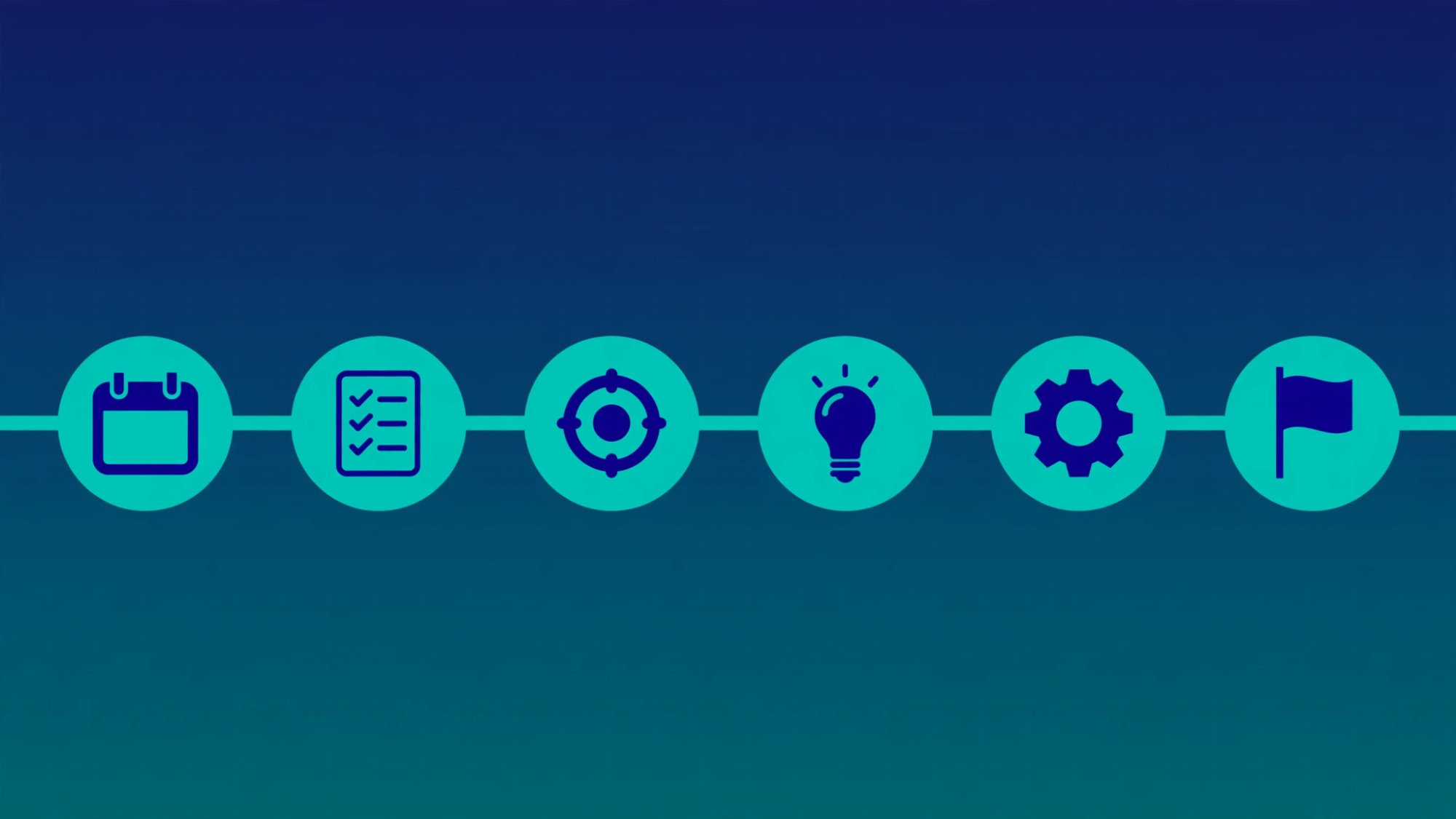
The sequence below comes from HrefClub's 90-day plan and Science of Apps' 2026 playbook. Link building for a new website follows this order in both guides. Days 1 to 14 are foundations: core pages live, Search Console set up, profiles claimed, no outreach yet. Days 15 to 28 are the links you are already owed: partners, suppliers, associations, past clients, tools you pay for, member directories, and testimonials. Days 29 to 42 start a small outreach habit. Days 43 to 56 add broken link building and journalist requests. Days 57 to 70 launch the linkable asset. Days 71 to 90 verify every link and keep what worked. No link count is guaranteed.
Days 1 to 14: foundations before a single pitch
The first two weeks feel slow, and that is correct. A new site with three thin pages and no clear purpose is hard to link to, and pitching it wastes the few good contacts you have. Spend this phase making the site worth linking to.
First, finish your core pages: a home page, a services or products page, an about page, and one genuinely useful resource page. The resource page matters most for links, because nobody links to a home page unless they already know you. Our SEO checklist for a new website covers the technical side of this phase in detail.
Second, set up Google Search Console, submit your sitemap, and check that your pages are actually indexable. Fix anything that blocks crawling now, while the site is small. Third, claim the profiles you are owed: a LinkedIn Page, a Crunchbase profile, and two or three reviewed industry directories. These are citations, not powerful links, but they give Google more than one path to find you.
Fourth, start the linkable asset. Pick one thing worth linking to and begin it now, even though it will not launch until around day 57. A small survey, a free template, a calculator, or a thorough guide all work. Do not send outreach in this phase. There is nothing to pitch yet, and a pitch sent too early spends a contact you may need later.
Days 15 to 28: collect the links you are already owed
Most new sites already have links waiting for them, and the owners do not realise it. These are the easiest links you will ever earn, because they come from relationships that already exist. List every supplier, partner, past client, association, and tool you pay for. Then ask each one, personally, for a link. This is the easiest first step in link building for a new website.
Suppliers and partners often have a partner page, a client list, or a case study section. A short, honest email works: you launched, you use their product, and you would like to be listed if they have a page for it. Testimonials are one of the most reliable ways to earn a link on a new site.
Past clients are the second group. If you did good work for someone before the site existed, ask whether they will link to you, perhaps from a resources page or a testimonial. A mass email to twenty past clients will be ignored; six individual emails will get answers. Check whether any association you belong to includes a directory listing with a link.
Days 29 to 42: start a small outreach habit
Now the site has a foundation and a few real links, so outreach can begin. Keep it small on purpose. A few personalised resource-page pitches a week and two or three guest post pitches is the right pace for link building for a new website at this stage.
Resource-page pitches are the gentlest form of cold outreach. Find pages that list helpful resources on your topic, read them properly, and suggest your resource page where it genuinely fits. Show you read the page: name one resource already listed, explain in one sentence why yours adds something different, and stop.
Guest post pitches work the same way. Pick two or three sites your audience actually reads, study what they publish, and pitch one specific idea that fits their style. Pitch the angle only you can write, ideally something from your own work or your own data. One accepted guest post on a real site beats ten pitches sent to sites nobody reads.
Days 43 to 56: broken links and journalist requests
By week seven you have a routine, so you can add two techniques that need a little more skill. The first is broken link building. Find resource pages in your niche, check whether any of their outbound links are dead, and offer your page as a replacement for one that fits. Only suggest your page when it genuinely replaces the dead one.
The second technique is journalist requests, where you have real expertise. Services that connect journalists with sources send daily requests, and a short, expert answer can earn a link from a publication. Only answer requests inside your genuine expertise, where you can be accurate. That restraint is part of link building for a new website done properly.
Days 57 to 70: launch the asset you started in phase one
Around day 57, launch the linkable asset you began in the first two weeks. By now it should be genuinely good, because you have had six weeks to work on it. Publish it, announce it to your existing contacts, and pitch it to ten sites that linked to similar resources. That pitch is the main outreach step in link building for a new website.
When you pitch the asset, lead with what it is and why their readers would care, not with your site or your story. If the asset is a survey, lead with the most surprising finding. If it is a calculator, lead with the problem it solves. People link to useful things, not to polite emails.
Days 71 to 90: verify every link and keep what worked
The last three weeks are for verification, and most new site owners skip them. Do not. Open every link you earned and check three things: it is still live, it is followed rather than nofollowed, and the page it sits on is indexable. If a link is gone, a polite email to the site owner often restores it. Verification is part of link building for a new website, not an optional extra.
Next, review your anchors. The clickable text of your links should look natural: your brand name, your site name, a plain URL, and a few descriptive phrases. If every link uses the same exact keyword phrase, that pattern looks manipulated. Run a backlink audit on your own profile every month, even when it is small. Write down what worked. Link building for a new website never really ends; it gets easier once you know what works.
A worked example: one person, a few hours a week
Numbers make this plan concrete, so here is a realistic example. Imagine a new site with three solid pages and one person spending a few hours a week on links. This is an illustration, not a promise.
Week 1: claim 5 profiles and listings you are owed, such as a LinkedIn Page, a Crunchbase profile, and two or three reviewed industry directories. Weeks 2 to 4: ask 6 partners and suppliers for a partner page or testimonial link. If 3 say yes, that is 3 earned links from real relationships.
Weeks 5 to 8: publish one linkable asset and pitch it to 10 sites that linked to similar resources. Weeks 9 to 12: send 10 personal pitches to resource pages and blogs in your niche. Now the honest arithmetic. A Backlinko and Pitchbox study of 12 million outreach emails found that only about 8.5 percent get a reply at all, and a reply is not a link. Apply that rate to 10 pitches and you might get about 1 reply. One reply is not a placement. So the honest 90-day expectation is a small foundation of owed links plus a handful of earned ones, not a ranking jump. For more free approaches, see our guide on how to get backlinks for free.
Which links to refuse in the first 90 days
Refusing links is as important as earning them, and the first 90 days are when refusal matters most. Google spam policies list buying links, swapping links and automating links as link spam, and a new site should treat all three as off limits. A seller promises fifty links for a small fee, from sites nobody reads. Links bought for ranking can lead to a manual action that takes months to recover from. Refusing paid links is the first rule of link building for a new website.
Link exchanges are the second trap. A stranger emails offering to link to you if you link to them, and it sounds harmless. It is not. Reciprocal linking at scale is a pattern Google recognises, and a new site with a high share of exchanged links looks like it is trading rather than earning.
Automated placements are the third trap. Any service that promises hundreds of links through software, directories, comments or profiles is building links a human would never build. These placements are easy for Google to spot, and they add nothing a reader would value. Ask one question: would you want this link if Google did not exist? If no, refuse it.
The honest limits of a 90-day plan
A good plan says what it cannot do, so here is the honest version. Only 1.74 percent of random pages reached the top 10 within a year in the Ahrefs 2025 study, and that figure covers pages on any site, not new domains. Ranking in 90 days is unlikely, and anyone who promises otherwise is selling something. That is the honest pace of link building for a new website.
Google says there is no sandbox, so do not promise one or promise to beat it. The idea of a sandbox, a hidden penalty box for new sites, is a myth that refuses to die, but Google has said plainly that no such filter exists. New sites simply have little authority, few links, and no history, so they rank slowly.
Crawling takes days to weeks, and ranking takes months. A 90-day plan is a building plan, not a ranking promise. There is also no safe links-per-month number, despite what sellers claim. No study and no Google page gives a number, because the safe pace depends on your niche, your content, and whether the links are earned or manufactured.
Frequently Asked Questions
How long does it take a new website to get backlinks?
The first links can arrive within two to four weeks, usually the ones you are already owed: profiles, partner pages, directories and testimonials. Earned links from cold outreach take longer, often six to twelve weeks from first pitch to live link. Ranking is a separate question and takes months, per the Ahrefs figures earlier in this guide.
How many backlinks does a new website need?
There is no fixed number in link building for a new website, and anyone who gives you one is guessing. A new site needs enough real links for Google to discover and trust it, and that number depends on the niche. In a quiet niche, ten good links can be enough to start ranking for low-competition terms. In a competitive niche, ten links barely register.
What is the first link a new website should get?
The first link should be one you are already owed, not one you pitch for. A profile on a business directory, a supplier's partner page, or a listing from an association you belong to are all good first links. Save cold pitches for later, when the site has content worth linking to. For the wider picture, see our link building strategies guide.
Should a new website buy backlinks?
No, not in the first 90 days, and ideally not at all. Google spam policies list buying links as link spam, and a new site has no authority to absorb a penalty. Paid links also teach you nothing about what your audience values, because the link was bought, not earned.
How fast is too fast to build links on a new site?
There is no official speed limit, and no safe links-per-month number exists. What matters is how the links are earned. Ten links in a month from real relationships, guest posts and testimonials look natural, because they are natural. Ten links in a day from a package look manufactured, because they are.
When should a new website start outreach?
Link building for a new website should start outreach around day 29, after the foundations are live and the links you are already owed are collected. Before that, there is little to pitch and few reasons for a stranger to link to you. The exception is warm outreach to partners and past clients, which can start in week three, because those people already know you.
What to do on day 91
Day 91 is not a finish line. It is the first day of the second plan, and it should start with a review, not a new burst of pitching. Open your log, count the links you earned, and check which ones are still live and followed. Keep the approaches that produced replies and drop the ones that did not. Then set the next 90 days of link building for a new website: one more asset, a steady outreach habit of a few pitches a week, and the same verification at the end. Start small, refuse the shortcuts, and keep going.
Order guest posts on reviewed websites with honest metrics, or list your own site and get paid.
Join RankPublish