Link Building for Ecommerce: What Works for Online Stores
Link building for ecommerce works differently from other niches. Real 2026 prices, which pages to link first, and a worked budget example for a store.

How many links does an online store actually need before Google notices it? If you run a shop with hundreds of product pages, that question is not academic. Every pound or dollar you spend on a link is a pound or dollar you cannot spend on stock, ads, or a faster checkout, so the order in which you build links matters more than the total number. Link building for ecommerce works differently from link building for a blog or a local service business, because the pages that sell are rarely the pages that earn links on their own. This guide explains that difference in plain terms, with real 2026 prices, traffic figures, and a worked budget for a store with 500 product pages and 1,500 dollars a month to spend.
Why Link Building for Ecommerce Is Different
A blog post can earn a link because someone enjoyed reading it. A product page almost never earns a link for that reason. Nobody bookmarks a page selling a blue kettle and shares it with friends because the writing moved them, and nobody links to a checkout page as a resource. That simple fact shapes the whole job. The pages that can attract links in a shop are usually the category pages, the buying guides, the comparison pages, and the occasional useful tool or original piece of research. The product pages themselves sit further down the chain. They benefit when a stronger page above them passes some of that strength down through internal links, and that is why link building for ecommerce is a two step job: earn links to the pages that can earn them, then use internal links to move the benefit to the pages that sell.
Which Pages Should Get Links First
Start with category pages, not product pages, and not the homepage on its own. A category page for running shoes, garden furniture, or kitchen storage answers a real search, it can hold useful copy, filters, and a short buying guide, and it stays live for years while individual products come and go. A single product page, by contrast, may be out of stock next month, replaced by a new model, or renamed, and a link that pointed at it can end up pointing at a page that no longer sells anything. That does not mean product pages never deserve links. A genuinely unusual product, a product with original research behind it, or a product that has been reviewed by an independent tester can earn links in its own right. It does mean that for most stores, the category page is the safer first investment, because it keeps its value and it can pass strength down to every product listed under it.
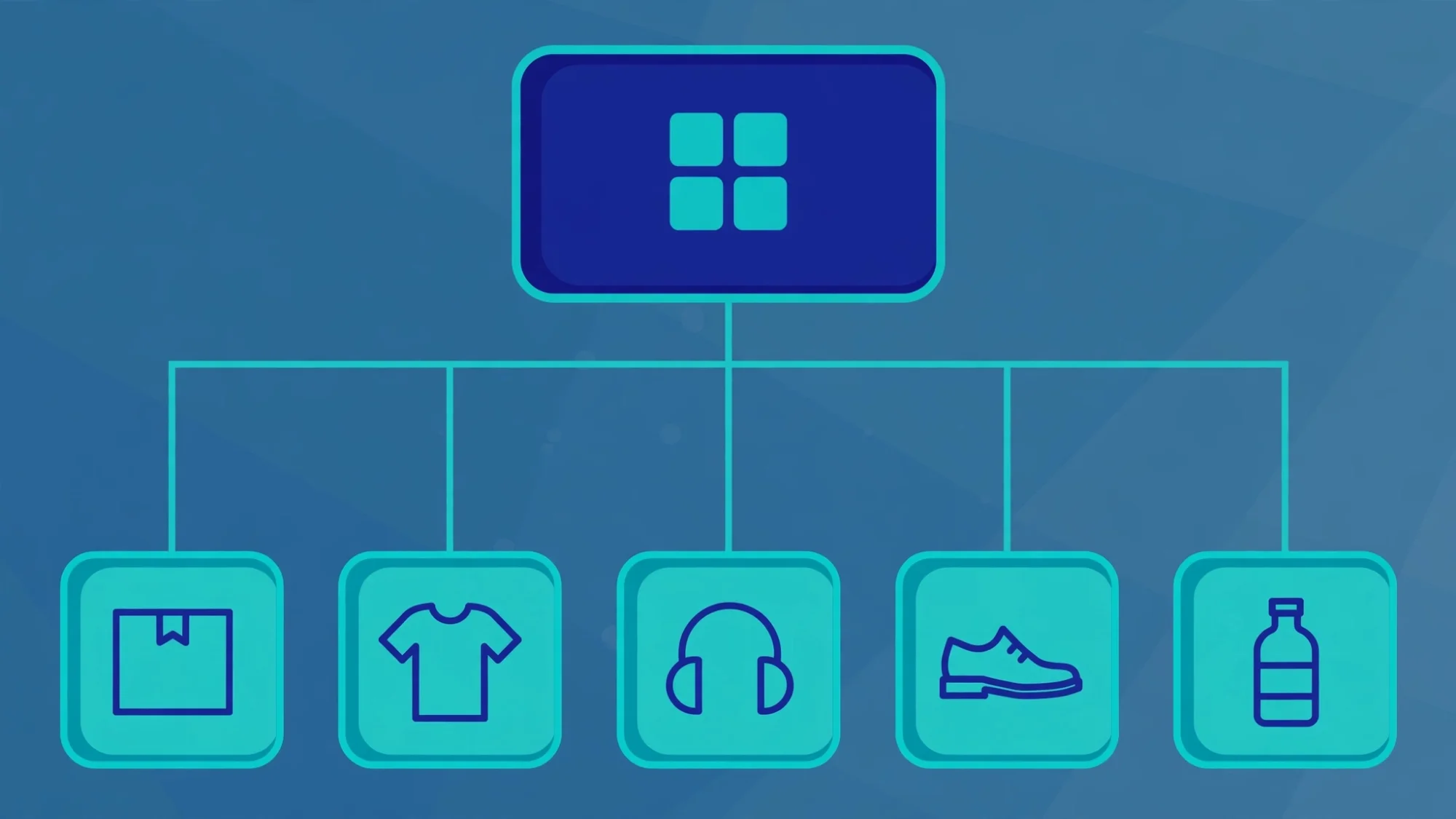
Think of the store as a shelf system. The homepage is the shop front. The category pages are the shelves. The product pages are the items on the shelves. A link to the shop front helps the whole shop a little, but a link to a shelf helps that shelf a lot, and the items on it benefit through the internal links you control. If you link to four different category pages, you strengthen four shelves. If you link four times to the homepage, you strengthen the front door four times and leave the shelves to fend for themselves. Most stores that struggle with link building for ecommerce have made the second choice by habit, because the homepage feels like the obvious page to promote, and then they wonder why their category pages never move. The worked example later in this guide shows that choice in numbers, so you can see the trade clearly before you spend anything.

What Link Building for Ecommerce Costs in 2026
Prices for a guest post vary widely, and the first mistake is to quote one average as if it covered the whole market. Different studies count different samples, so keep the sample with the figure every time you use it. The 2026 Adsy and BuzzStream summary gives an ecommerce category average guest post price of 341 dollars. That figure comes from the ecommerce category sample in that summary, and it is the figure used for the worked example later in this guide. The same summary gives overall averages that are higher: BuzzStream reports 365 dollars when buying direct and 461 dollars when buying through a vendor, while Adsy reports a 2026 average of 459 dollars, up 7.5 percent from 427 dollars in 2025. Those are overall averages across categories, not ecommerce figures, and they should not be blended into one number.
The gap between direct and vendor prices tells you what you are paying for. Buying direct is cheaper on paper, but it takes your time to find sites, check them, pitch, follow up, and write to their standard. Buying through a vendor adds a convenience layer, and the summary puts that premium at roughly the difference between 365 and 461 dollars. For a small store owner who already runs stock, customer service, and ads, that time has a real cost, even if it never appears on an invoice. A realistic budget therefore counts hours as well as dollars. If you have more time than money, direct outreach will stretch a small budget further. If you have more money than time, a vendor or a marketplace may be the honest choice, provided you still check every site yourself before you pay. A cheap placement on a site nobody reads is not a bargain at any price, and an expensive placement on a strong, relevant site can be good value if the page it points to is ready to receive the visit.
How Much Organic Search Still Matters for Stores
Organic search has long been a large source of visits for online shops, but the figures need dates and samples, because they move. Digital Commerce 360, reporting Digital360 ecommerce organic benchmarks, found that organic search supplied a median 50.0 percent of traffic to Top 1000 ecommerce sites in 2021, down from 52.1 percent in 2020. That is a median for the largest ecommerce sites in those years, not a promise for a small shop today. A different sample gives a different answer: the Conductor 2024 global benchmark put retail organic traffic at 27 percent of website traffic. Present the two side by side with their dates and samples, and the lesson is clear enough. Organic search can be the biggest free channel a store has, and it can also be a much smaller share depending on how much a store spends on ads, social, and email. Either way, it is large enough that ignoring it leaves money on the table.
Ranking is only half the job now, because a click is no longer automatic. The same source behind the Conductor benchmark, in a 2024 click through rate study published in 2025, reported average ecommerce organic click through rates of 35.4 percent for position 1, 15.2 percent for position 2, and 8.8 percent for position 3. Those are study averages, not a promise for any one shop, and they show how steep the drop is after the first result. Then add the change that arrived with AI Overviews. An Ahrefs study in February 2026, covering 300,000 keywords, found that when an AI Overview appears, the page ranking first gets a 58 percent lower average click through rate. SparkToro and Similarweb reported in June 2026 that 68.01 percent of US Google searches between January and April 2026 ended without a click, up from 60.45 percent in 2024. That is why ecommerce links must now point at pages that can also earn a citation in an AI answer or a click from a shopper who still wants to compare, not at thin pages that only existed to rank. A link to a helpful category guide, a clear comparison, or a page with original prices and photos has a better chance of being cited and clicked than a bare product listing with three lines of copy.
A Worked Example: 1,500 Dollars, 500 Products, Four Links
Take a store with 500 product pages and a link budget of 1,500 dollars a month. At the ecommerce category average of 341 dollars per guest post placement, that budget buys about four placements a month, because 1,500 divided by 341 is about 4.4, and in practice you cannot buy four tenths of a placement, so plan for four and keep the small remainder for writing or follow up. Four links a month sounds small against 500 products, and it is, which is exactly why the choice of where they point matters. You have two simple options. Option one: point the four links at four different category pages. Option two: point all four links at the homepage. Both spend the same 1,500 dollars, and both buy four links, but they do not build the same store.
With option one, each of the four category pages gains a fresh external link, and each of those pages can then pass strength to the products listed under it. With option two, the homepage gains four links, the category pages gain none directly, and the product pages still wait for help to trickle down through a longer chain. Neither option promises a ranking gain, and no honest guide can promise one, because rankings depend on the competition for each keyword, the quality of the linked pages, and many other factors. What option one does promise, in a practical sense, is coverage. Four shelves get stronger, not one front door. If you repeat option one for six months, you will have linked about 24 category pages, assuming you rotate to a new set each month. A store with 500 products may have 20 to 40 main categories, so six months of steady work can touch most of them. That is a plan a small team can actually follow, and it is far more useful than chasing a large number of links to a single page.
Internal Links: How One Earned Link Reaches Five Product Pages
External links are only half the system. The other half costs hours, not money, and many stores skip it. Once a category page earns a link, link that category page down to its five best selling products, using clear descriptive anchor text that names the product or the use, not the word click here. One earned link then reaches five product pages, because the category page is already connected to them in the eyes of a search engine and a shopper. Do the same for a buying guide: link from the guide to the category it describes, and from the category to the products it recommends. That chain is simple, it is easy to maintain, and it is the reason a store with a modest external link budget can still support a large catalogue.
Keep the internal links honest and useful. Link to products that are in stock, that have reviews or clear photos, and that the category page genuinely recommends. Do not link every product from every page, because a page with fifty outgoing links helps each one less, and shoppers stop following them. Five well chosen product links from a category page is a sensible rule for the worked example, and you can adjust it up or down by the size of the category. Review the links every quarter, because products go out of stock, new best sellers appear, and a link to a dead product wastes the benefit you worked to earn. This follow up work is not glamorous, but it is where the return on a paid placement is actually made, and it is fully in your control, unlike the decision of another site to link to you.
What Counts as Link Spam for a Store
Google spam policies are clear on the point that matters most for a shop: buying links that pass ranking credit, excessive link exchanges, and optimised anchor text in guest posts are link spam. That does not mean every paid placement is automatically treated the same way, and it does not mean a store can never pay for writing or for a listing. It does mean that a link bought mainly to pass ranking credit, with the same money keyword as its anchor text on site after site, is exactly the pattern the policy describes. A store that buys fifty links with the anchor text cheap running shoes, all pointing at the same category page, is not building a natural profile. It is building a footprint that is easy to spot and easy to discount.
The safe way to read the policy is to ask what the link would be worth if search engines did not exist. Would the site still publish the article, would a reader still click the link, and would the link still make sense in the text? If the answer is yes, the placement has a purpose beyond ranking. If the answer is no, the placement is relying on ranking credit alone, and that is the risk. Vary your anchor text, use brand names and plain descriptions most of the time, keep the number of exact match anchors low, and do not exchange links at scale with other stores just to inflate counts. A slower profile with varied anchors and relevant sites will serve a shop better over years than a fast profile that has to be cleaned up later.
How to Earn Links Without Paying for Every Placement
Paid placements are not the only route, and for a new store they should not be the first route. Product reviews are one honest path: send a product to a reviewer who already writes about your niche, with no condition that they link or praise it, and let the review speak for itself. Some reviewers will link, some will not, and the ones who do will usually write a stronger page because they chose the product. Original data is another path. A store holds data nobody else has, such as which sizes sell out first, which colours are returned most, or how long a product lasts in real use. Publish that data as a short, clear report, and other writers have a reason to cite it. A simple tool can do the same job: a size finder, a cost calculator, or a comparison that helps a shopper decide, and that other sites can link to as a resource.
Suppliers, local press, and community groups are often overlooked. A supplier may list stockists on its own site. A local paper may cover a shop that opens, hires, or supports a local cause. A charity or a school may thank a sponsor on its site. None of these links will transform a store overnight, but together they build a profile that looks like a real business, because it is one. Keep a simple record of every outreach attempt, the date, the site, and the reply, so you do not pitch the same site twice with the same idea. Earning links this way is slower than buying them, and that is the point. The links you earn tend to stay live longer, point at pages that deserve them, and bring readers who may actually buy.
Honest Limits to Keep in Mind
Product pages earn links far more slowly than guides and tools, and most ecommerce link building is indirect, through content and category pages, then internal links. No figure in this guide is a per store guarantee, and the AI Overview click loss applies to informational queries first, not every shopping query. A shopper who knows the exact product they want may still click straight through, while a shopper asking a general question may get their answer without a click. Plan for that split, keep improving the pages that can be cited, and judge the work over months, not days.
Frequently Asked Questions
Which ecommerce pages should get links first, product pages or category pages?
Category pages first, in almost every case. They stay live, they answer a broad search, and they can pass strength down to the products under them. Product pages deserve links only when they are genuinely unusual, well reviewed, or backed by original research, because a product can be replaced or go out of stock and the link loses its purpose.
How many links does a new store need before it sees anything?
There is no fixed number, and any guide that gives one is guessing. A new store should aim for a steady run of relevant links to its main category pages over several months, with strong internal links underneath, and judge the result by movement in its target categories, not by a total count. Four good links a month, as in the worked example, is a realistic starting pace.
Are product review links worth more than guest posts for a store?
Often yes, when the review is independent and the reviewer tested the product. A review link usually comes from a relevant page, it can send shoppers who are ready to buy, and it looks natural because the reviewer chose to write about the product. A guest post link can be just as useful when the host site is relevant and the article is genuinely helpful, but a review from a trusted tester is harder to buy and harder to copy, which is why it tends to carry more weight with readers.
Can a store build links without paying for placements?
Yes, though it takes longer. Reviews, original data from your own sales, useful tools, supplier listings, and local press are all routes that do not require paying for a placement. The trade is time: you will spend hours on outreach, writing, and follow up instead of dollars on a vendor. For a new store with a small budget, that trade is often the right one, and the links earned this way tend to last.
Why do my product pages rank but get few clicks now?
A ranking is not a click, especially now. AI Overviews can answer a general question on the results page, and the Ahrefs study cited above found a 58 percent lower average click through rate for the top result when an overview appears. Check whether your queries trigger an
overview, whether your titles and descriptions give a shopper a reason to click, and whether the page offers something the overview does not, such as clear prices, photos, reviews, or a comparison that helps a buyer decide.For a smaller shop, the same ideas apply at a smaller scale, as explained in our guide to link building for small business.
Where to Go Next
Local stores can also win nearby searches with local link building.
For the wider picture, see our link building strategies for 2026.
For prices in more detail, read the Adsy guest post pricing guide.
For the rules themselves, read the Google spam policies before you buy any link.
For the traffic figures used above, see the Digital360 ecommerce organic benchmarks.
Moving companies that want help with outreach can read our guide to buying backlinks for moving companies.
If you would rather hand the work to someone else, see our guide to link building services.
Order guest posts on reviewed websites with honest metrics, or list your own site and get paid.
Join RankPublish