PBN Backlinks: What Private Blog Networks Are and Why They Risk Your Site
A 500 dollar PBN package can buy 100 links, but when Google neutralises them the buyer owns nothing. This warning explains what private blog networks are, how SpamBrain detects them, and what to do instead.
The email arrives on a Tuesday morning, and it reads like a gift. Fifty links for 250 dollars, all from blogs with strong authority scores, all pointing at your money page. The seller even promises first page rankings within a month or two. Your site has been stuck on page three for a year, and here is someone offering to close the gap cheaply. It feels like the shortcut every site owner dreams about.
This article explains what a private blog network is, how Google finds one, what happens to a site that leans on one, and what to do if someone has already sold you these links. It is a warning, not a manual: there is no cheap way to buy authority, only cheap ways to rent the appearance of it.
What PBN Backlinks Are and How a Private Blog Network Works
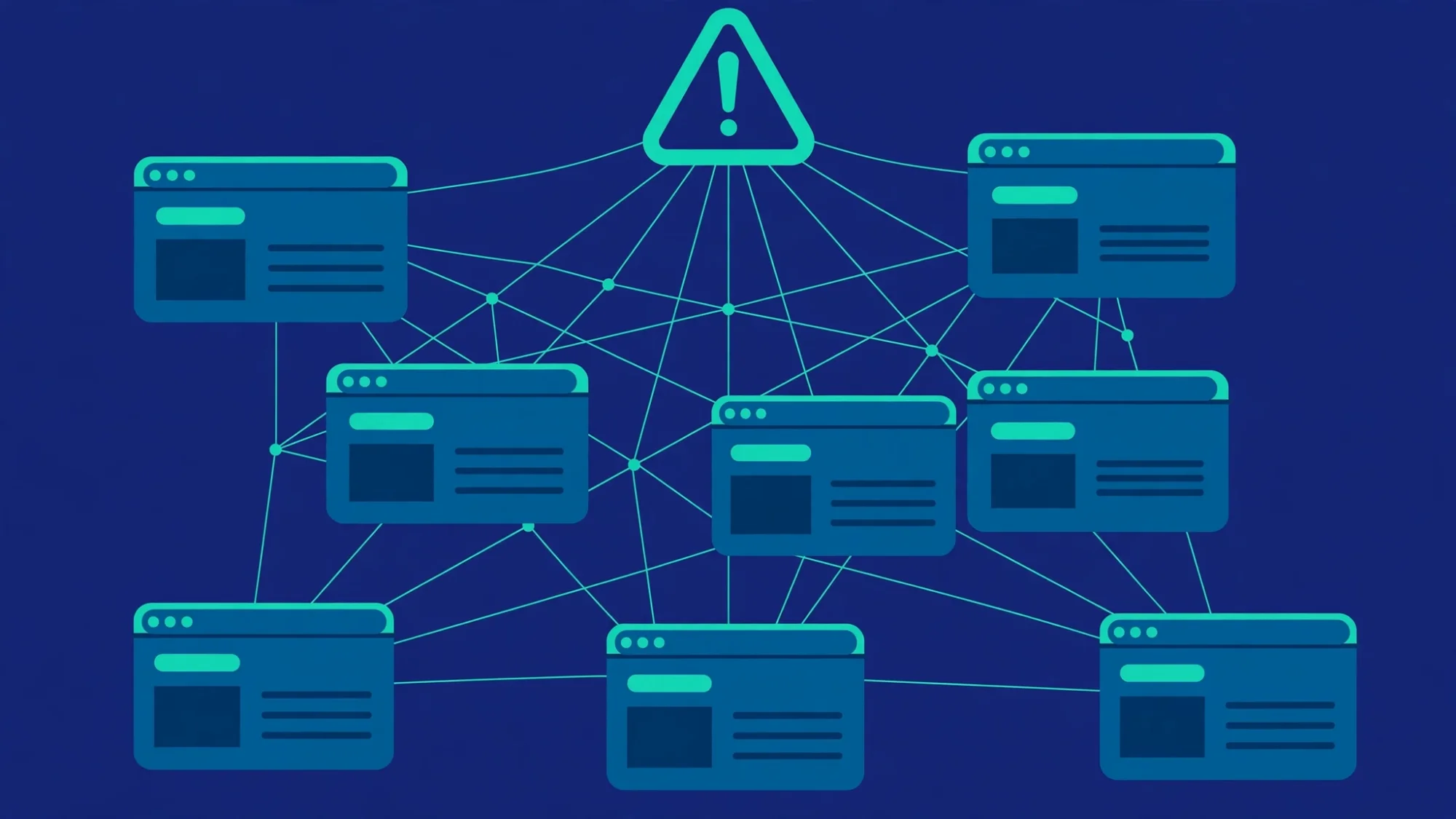
PBN backlinks are links from a private blog network, a group of websites controlled by one person or company to pass ranking credit to a money site. The network sites are not independent publications. They exist to link out, usually to paying clients. Buying a PBN package is not earning a mention from a blogger who liked your work. It is renting space on pages built to sell links.
The pitch is simple: a link from a site with authority passes some of that authority along, so a network of such sites can pass a lot of it. Google has spent years saying the opposite. Google's spam policies describe link spam as creating links primarily to manipulate search rankings, and a private blog network is that definition wearing a disguise. Google does not even use the phrase private blog network in its policies.
A network usually starts with expired domains. An expired domain is a web address whose owner let the registration lapse, and it may still carry links from its old life. The operator buys it, repurposes it, and puts up a blog. Google added expired domain abuse to its spam policies with the March 5, 2024 core update.
The sites in a network share a resemblance a visitor might miss but a machine notices at once. Respona, in its guide on PBN backlinks, notes that Google looks for shared IP address ranges, the same hosting, the same outbound link patterns and the same anchor text spam. Once one site in a network gets flagged, the whole network usually follows. A real editorial link stands on its own, while a network link stands with dozens of siblings.
Why PBN Backlinks Cost So Little and What That Price Hides
A single PBN link sounds like a deal at 1 to 5 dollars each, according to Respona. Compare that with a genuine guest post, which can cost hundreds of dollars in writing, outreach and sometimes a placement fee. It is worth asking how the seller can afford to be so cheap.
The seller is not paying what a real publisher pays. A real publication pays writers, editors and hosting, and earns authority slowly. A network operator pays for expired domains, cheap hosting and thin content, and its sites' authority is mostly inherited from the domains' previous lives. You are not buying an endorsement from a trusted site. You are buying a line in a database of sites that exist to sell lines.
The seller is also not guaranteeing anything that lasts. The link will probably go live and be counted for a while, and that is where the guarantee ends.

The Numbers Behind PBN Backlinks: What Named Sources Actually Say
The figures below come from sources checked on November 19, 2026.
Google's December 14, 2022 link spam update said its SpamBrain system can now detect both sites buying links and sites used for passing outgoing links. That covers both sides of the transaction.
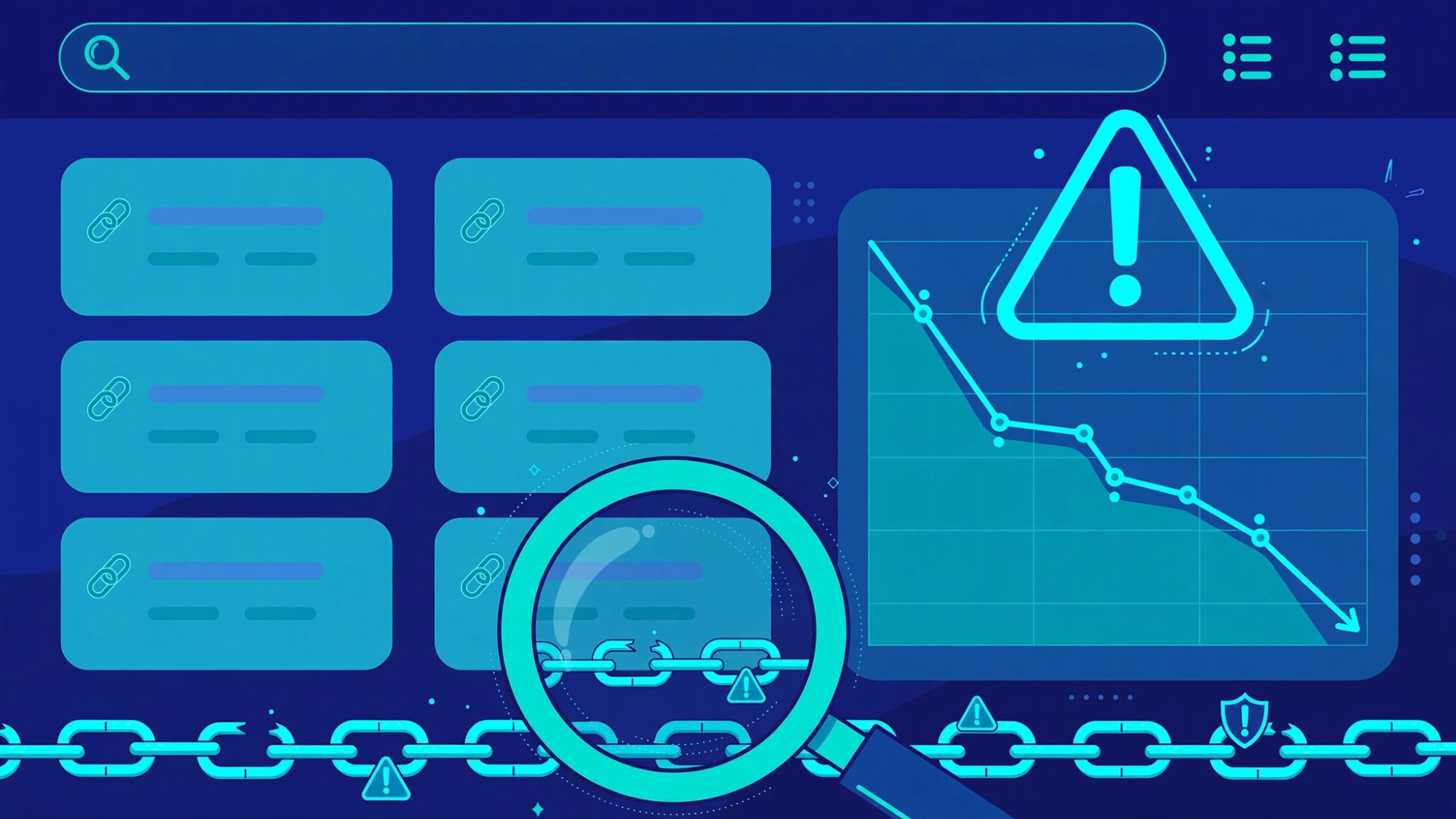
LinkBasket describes the common outcome plainly. When SpamBrain catches a network, the links usually just stop counting, and the rankings slide back. You paid for a boost that quietly expired, and nobody sent a notice. The penalty risk comes in two forms: algorithmic neutralising, which is common and silent, and a manual action, which is rarer but visible in Search Console.
LinkBuilder.io states that Google classifies PBN link building as black hat SEO, and getting caught can lead to big ranking drops. A manual penalty is when a human reviewer decides a backlink profile is unnatural, and it can result in ranking decreases and even delisting.
TheStacc glossary puts a price on the other side of the trade. A 20 site network costs 5,000 to 15,000 dollars to build, and one manual action can wipe it out. Recovery requires a reconsideration request, 2 to 4 weeks for a response, and clean up, with no guarantee of full recovery.
YoSiteUp reports a seller claim that in moderately competitive niches, 30 to 50 PBN links with DR 30 plus can push a website onto Google's first page within 1 to 3 months. That claim appears here only as what sellers promise, never as a result. The same guide says recovery after a manual action takes 3 to 12 months, and a site wide manual action can mean losing 60 to 90 percent of enquiries overnight. The 60 to 90 percent figure is the YoSiteUp guide's own estimate, not a measured average.

A Worked Example: 500 Dollars on PBN Links Against 500 Dollars on Editorial Placements
Take a site owner with 500 dollars and two ways to spend it. Option one is a PBN package. At 5 dollars a link, 500 dollars buys 100 links, and that is the number the seller puts in the subject line. For a month or two the links are live, and the site may climb. Then suppose SpamBrain neutralises the PBN links after 3 months. The buyer has paid 500 dollars for 3 months of rankings and owns nothing: no relationship, no referral traffic, no page still linking to them.
Option two is editorial placements. The same 500 dollars buys 2 editorial guest posts at 250 dollars each on real publications. Two links look weak next to one hundred. But the links are still there in month 12, and the two articles can still send readers. The editorial links were earned through content a real editor accepted, so they do not depend on a network staying hidden.
The build cost side is worse. A 20 site network costs 5,000 to 15,000 dollars to build, per TheStacc, which is 10 to 30 times the 500 dollar package, and one manual action wipes out the whole network at once, while recovery takes 3 to 12 months by YoSiteUp's account. A buyer who spends 500 dollars is tied to an asset worth ten to thirty times that amount, destroyable by a single human review.
How Google Detects a Private Blog Network
Sellers talk as if detection of PBN backlinks were a matter of luck. The sources in this article describe a different picture: detection is systematic, and the signals are the very things a network cannot avoid producing.
The first signal is the footprint. According to Respona, Google looks for shared IP address ranges, the same hosting, the same outbound link patterns and the same anchor text spam. A network of twenty sites on the same hosting, linking to the same money sites with the same anchors, is not twenty independent decisions. It is one decision repeated twenty times.
The second signal is the content. The March 5, 2024 core update added scaled content abuse to Google's spam policies, and scaled content abuse includes creating multiple sites to hide the scaled nature of the content. Network sites need content to look like blogs, but the operator needs it cheaply and at volume, so the writing is thin, generic and interchangeable. Nothing on them is specific enough to be real.
The third signal is the link graph. A normal site earns links from many kinds of places, and links out to just as many. A network site links out heavily to money sites and earns almost nothing in return, because nobody cites a site that exists to sell links. The December 2022 link spam update said SpamBrain can detect sites used for passing outgoing links.
What Happens When Google Catches a Site Using PBN Links
There are two outcomes, and they feel very different. The first, and far more common, is algorithmic neutralising. The links simply stop counting. No message arrives in Search Console, and no one at Google reviews the site by hand. The rankings that depended on those links slide back, and the owner is left to guess. LinkBasket describes this as the usual result: you paid for a boost that quietly expired, and nobody sent a notice.
The second outcome is a manual action. A human reviewer at Google decides the backlink profile is unnatural, and the site receives a manual action visible in Search Console. LinkBuilder.io describes the consequences as ranking decreases and even delisting in the severe case. A manual action is rarer than silent neutralising, but it comes with a notice and a formal process: clean up, file a reconsideration request, and wait.
The difference matters for planning. A site that suffers silent neutralising has lost money and time, but not its standing with Google in any formal sense. It can stop buying network links and rebuild by earning real ones. A site with a manual action has a formal problem to solve first, and recovery takes months. YoSiteUp puts recovery after a manual action at 3 to 12 months, and TheStacc puts the wait for a reconsideration response alone at 2 to 4 weeks, with no guarantee of full recovery. A business that relies on organic traffic and suffers a site wide manual action can, by the YoSiteUp guide's own estimate, lose 60 percent of enquiries overnight.
How to Check Whether You Have Been Sold PBN Links
These steps are for the reader who suspects an agency or freelancer bought network links on their behalf. They teach you how to find out whether PBN backlinks are pointing at your site, and what to do about it.
Step one, open Search Console and look at the Links report. Sort by the pages on your site that receive the most links. A network often shows up as a cluster: many unfamiliar linking domains, all pointing at the same money page with the same keyword heavy anchor text.
Step two, check the top linking domains by hand. Open five or ten unfamiliar sites. Does the site have a real author, or only generic posts with no byline? Does it link out widely, or repeatedly to the same small group of commercial pages? One suspicious site proves little, but ten with the same thin content and outbound pattern are a network in disguise. Links like these are the classic example of toxic backlinks; see our guide on how to run a backlink audit for a fuller method.
Step three, look for the footprint signals named in this article. Check whether the suspicious domains share hosting or IP ranges, and note the anchor text they use. If ten blogs all link to your pricing page with the identical commercial phrase, it is one operator using one anchor list.
Step four, check Search Console for a manual action first. Open Security and Manual Actions, then Manual actions, and read what it says. If it says no issues were detected, you have no formal penalty. If it names unnatural links, you have a defined problem.
Step five, try to get the links removed. Contact the site owners, ask for removal, and keep every reply. For network links this often fails, because the operator has no reason to remove a link you paid for. Try anyway, because a record of attempted removal strengthens a reconsideration request later.
Step six, if the links cannot be removed and there is a manual action, or a clear risk of one, prepare a disavow file listing the domains or URLs you want Google to ignore. Our guide on how to disavow backlinks walks through the process, including Google's caution that most sites should never disavow. Do not disavow on a third party tool's toxic score alone.
Step seven, if you have a manual action, file a reconsideration request from the Manual actions report after the clean up is done. Explain what you found, removed and disavowed, and what you will do differently. TheStacc puts the response time at 2 to 4 weeks, with no guarantee of full recovery. If there is no manual action, do not file one. Stop buying network links and earn real ones instead.
Step eight, stop the source. If an agency or freelancer bought the links, tell them in writing to stop, and ask for a full list of links placed. For a broader view, see our list of common SEO mistakes to avoid.
What to Do Instead of Buying PBN Backlinks
The alternative to buying PBN backlinks is slower and far more durable: earn links from real sites by publishing work those sites want to cite. Original data is the strongest form of it: a small survey of your own customers, a roundup of sourced figures in your niche, or a short study of prices or outcomes in your market gives other writers a reason to link to you. Writers need sources for numbers in a hurry, and a page that hands them sourced figures is a page that earns links.
Guest posts on real publications are the second form, and they differ from network placements in every way that matters. A real publication has an editor, an audience and a reputation, and accepts a post because it is useful to its readers. Two editorial guest posts at 250 dollars each buy two links that are still there in month twelve, plus readers who remember the name behind them.
The third form is the least glamorous: fix what you already have. A parasite SEO style placement on a high authority platform is a different tactic with its own risks, and our explainer on parasite SEO describes where that line sits. A straightforward version is to publish genuinely useful pages, then tell people who linked to similar pages that your page exists. None of these will move a site in a week the way a network package promises to. A network promises speed and delivers fragility.
The Honest Limits of This Warning
No guide can tell you whether a particular network is safe, because Google does not publish a list of detected networks. Any seller who claims their network is undetectable is asking you to take their word over Google's published spam policies and its SpamBrain system.
The most common outcome, silent neutralisation, means a buyer may never know when the links stopped counting. Rankings drift, traffic falls, and the owner blames an algorithm update that may have had nothing to do with it. Recovery takes months and is not guaranteed: YoSiteUp puts it at 3 to 12 months after a manual action, and TheStacc notes a 2 to 4 week wait for a reconsideration response. This article is a warning about PBN backlinks, not a guide to building or hiding a network, and it deliberately explains none of those techniques.
Frequently Asked Questions About PBN Backlinks
What is a PBN in SEO?
A PBN, or private blog network, is a group of websites controlled by one person or company to pass ranking credit to a money site. The sites are not independent publications. They exist to link out, usually to paying clients, and the links they sell are PBN backlinks. Google treats links created primarily to manipulate rankings as link spam.
Are PBN backlinks illegal?
PBN backlinks are not illegal in the sense of breaking a law, and no one will be fined or prosecuted for buying them. They break Google's spam policies, which prohibit creating links primarily to manipulate search rankings. The consequences are search consequences: the links can be neutralised silently, rankings can fall, and a manual action can remove a site from results. For a business that depends on search traffic, that can cost more than a fine.
How does Google detect a private blog network?
Google's SpamBrain system looks for the patterns a network cannot avoid. According to Respona, those include shared IP address ranges, the same hosting, the same outbound link patterns and the same anchor text spam. The December 14, 2022 link spam update said SpamBrain can detect both sites buying links and sites used for passing outgoing links. Once one site in a network is flagged, the whole network usually follows.
What happens if Google catches my site using PBN links?
The most common outcome is silent: the PBN backlinks simply stop counting, rankings that leaned on them slide back, and no notice is sent. The rarer and more serious outcome is a manual action, visible in Search Console, which can mean ranking decreases and even delisting. Recovery after a manual action takes 3 to 12 months according to YoSiteUp, with no guarantee of full recovery. TheStacc puts the wait for a reconsideration response alone at 2 to 4 weeks.
How do I recover from a PBN penalty?
Start by checking Search Console for a manual action, then identify the network domains among the links pointing at your site. Try to have the links removed and keep a record of every attempt. If links cannot be removed and there is a manual action, prepare a disavow file listing the domains, following our guide on how to disavow backlinks. Then file a reconsideration request, explaining what you found and cleaned up. If there is no manual action, skip the request and focus on earning real links instead.
Are cheap PBN links worth the money?
A single link at 1 to 5 dollars looks cheap, but the price per link is the wrong measure. The worked example shows that 500 dollars buys 100 links at 5 dollars each, and if SpamBrain neutralises them after 3 months, the buyer has paid for 3 months of rankings and owns nothing afterwards. The same 500 dollars spent on 2 editorial guest posts at 250 dollars each buys links that are still there in month 12. Cheap links are only cheap if they keep working, and PBN backlinks have a habit of stopping without warning.
Order guest posts on reviewed websites with honest metrics, or list your own site and get paid.
Join RankPublish